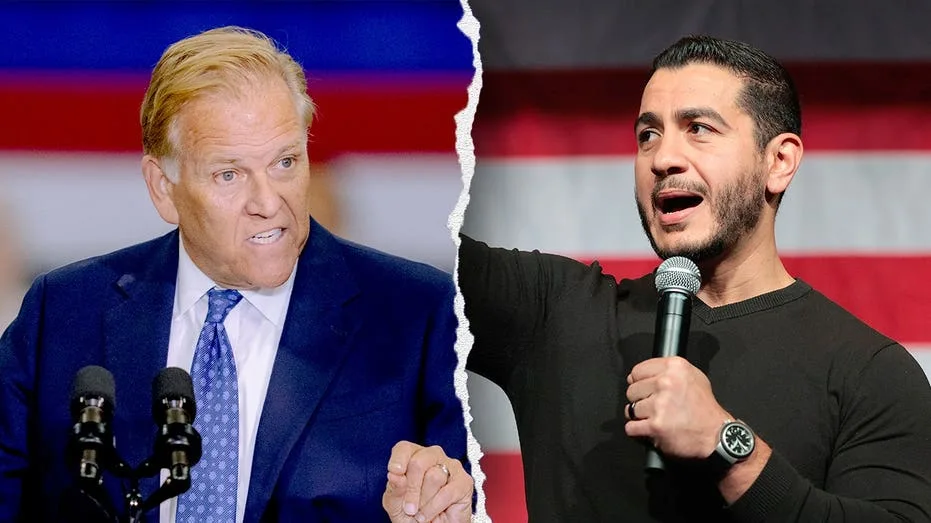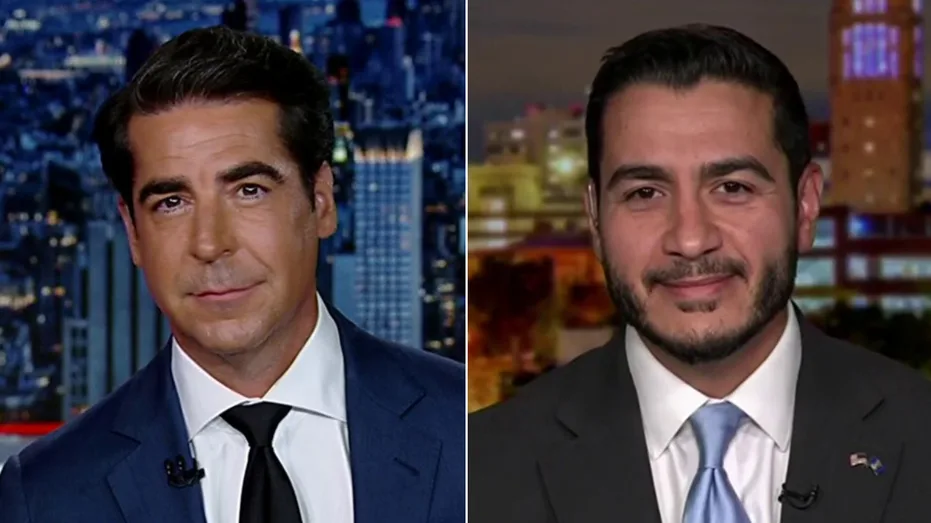
Michigan Democratic Senate nominee Abdul El-Sayed recently faced a rigorous interview regarding his progressive policy positions, as he continued his high-stakes Senate campaign against former Republican congressman Mike Rogers.
Religious Freedom and Sharia Law
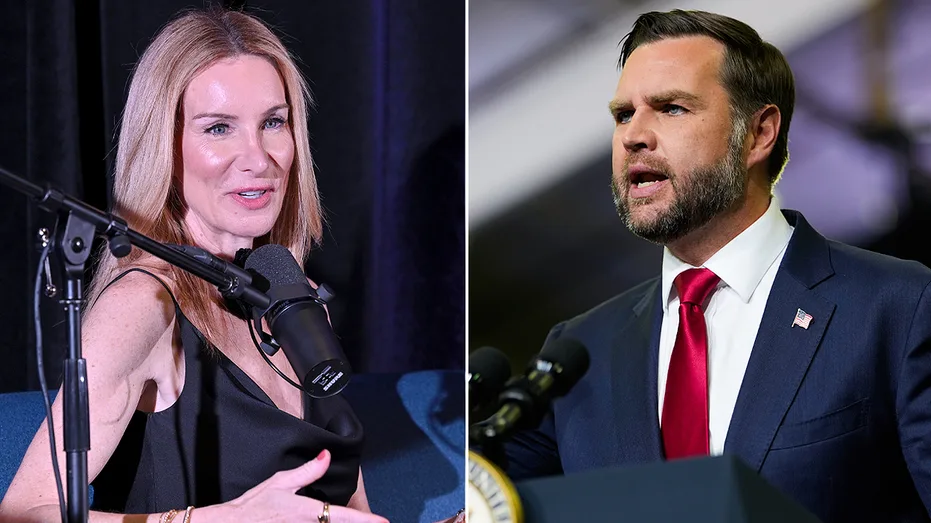
El-Sayed was pressed on his past statements concerning adherence to Sharia law, a topic that has drawn criticism, including from Vice President J.D. Vance. He also addressed previous comments where he appeared to link efforts to eliminate Sharia law with White supremacy.
“Nobody is trying to push Sharia law on anyone else, just like I hope nobody is trying to push Canon law on anybody else, because we live in an America where you should have the freedom of your religion,” El-Sayed stated during the discussion.
The Democratic nominee emphasized that he would never impose his faith on others. He further contended that there is statistical evidence suggesting the Trump administration has specifically targeted him due to his Muslim faith.
“There’s statistical evidence that the president and the vice president like to target me simply as a function of my faith,” he asserted.
El-Sayed also expressed strong disapproval for Senator Tommy Tuberville, a Republican from Alabama, over proposed legislation designed to prevent foreign nationals who advocate for Sharia law from entering the United States. These bills include the No Sharia Act and the Preserving a Sharia Free America Act.
“The idea, that you have somebody like Tommy Tuberville – who barely was good at coaching football – is out here trying to ban Sharia Law when there’s less than 1% of the Muslim community in America, as if somehow Muslims are out here trying to push Sharia law, that seems to me to be deliberately targeting the Muslim Community, because they’re different,” El-Sayed remarked.
Economic Policy and Taxing the Wealthy
The discussion later shifted to El-Sayed’s proposal to increase taxes on the nation’s wealthiest individuals.
“I also think we got to start taxing wealth for people who know have over $100 million. I mean at that point like what are gonna even do with more money?” El-Sayed said previously on “The Ansari Podcast.”
When this comment was referenced during the interview, the host challenged El-Sayed’s premise, countering, “What are you going to do with more money? Whatever I want!”
El-Sayed, who has consistently criticized the influence of “the 1%” in American politics, defended his stance on taxing the wealthy. He argued that such measures are essential for improving the lives of average Americans, particularly through investments in infrastructure and education.
“The question ultimately is, ‘Do you want to drive on good roads, or would you rather have a billionaire make a second billion?’ That’s what Mike Rogers wants. That’s why Donald Trump wants. Apparently, that’s what you want. I think the people in Michigan want something different,” he explained.
Despite his frequent critiques of wealthy Americans’ influence on the campaign trail, El-Sayed and his wife reported a combined income of $686,069 in 2025, placing their household among Michigan’s top earners.
El-Sayed accused the interviewer of “defending billionaires.” The host responded by asserting, “No, I just think I have the right to the fruits of my own labor. That’s America. It’s not communist what you’re talking about.”
El-Sayed countered that even with higher taxes, billionaires would maintain substantial financial security.
“If we tax you at 7%, you’re still going to make what? A cool $30 million off your billion dollars? I think that’s okay, they’re going to be okay,” he concluded.
Campaign Strategy and Broader Issues
El-Sayed also directed criticism at his opponent, Mike Rogers, describing him as a “beta” male who “thinks he is running against Hasan Piker.” He accused Rogers of avoiding interviews, though El-Sayed himself appeared to sidestep questions during his recent appearance regarding men participating in women’s sports and his previous characterization of the NFL as racist.
The Democratic Senate candidate additionally voiced his opinion that considering reparations for Black Americans “shouldn’t be a crazy thing.” Regarding foreign policy, he stated that the U.S. should avoid engaging in wars “we don’t know how to get out of,” citing the conflict in Iran as an example.