U.S.-Brokered Framework Deal Between Israel and Lebanon Aims for Peace Amid Regional Tensions
The agreement, welcomed by Israeli and U.S. officials, seeks to foster diplomatic normalization while experts caution against potential Iranian interference.
World·
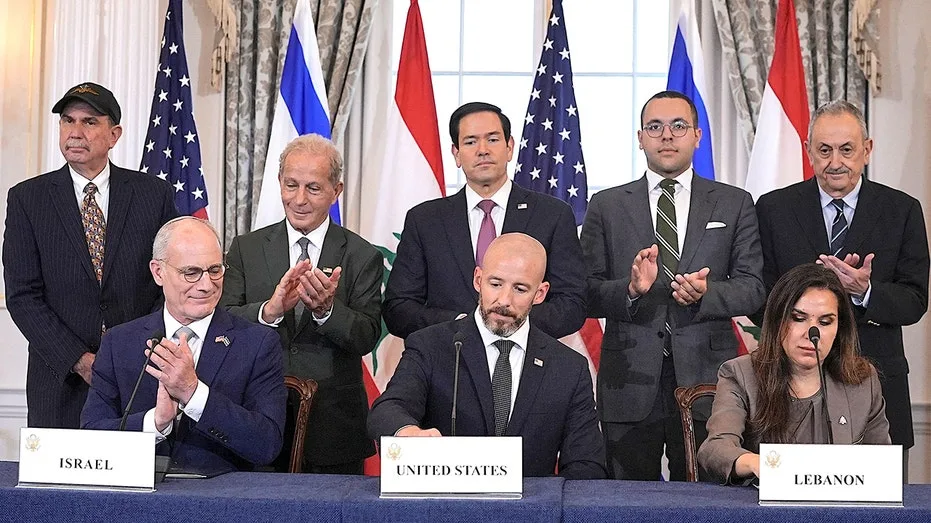
Secretary of State Marco Rubio and Israeli Prime Minister Benjamin Netanyahu have expressed their approval of a U.S.-mediated framework agreement between Jerusalem and Lebanon, characterizing it as a significant initial stride toward peace and a firm repudiation of Iranian involvement in the region.
This diplomatic breakthrough could pave the way for formalizing relations between Lebanon and Israel, two nations that have technically remained in a state of war. According to analysts, the framework agreement holds the potential to undermine Hezbollah, the Iran-backed militant group that has expanded its influence within the Lebanese state.
Hezbollah and Israel have engaged in two conflicts since the militant organization participated in Hamas’s incursion into Israel on October 7, 2023, and subsequent U.S.-Israeli strikes against Iran in February.
A Path Toward Lasting Peace and Security
Rubio remarked on the significance of the announcement, stating,
"Today is a good day in that we are happy to announce a framework agreement between the sovereign government of Lebanon and, of course, the government of Israel, with a mediation and support of the United States of America, that begins to put in place a framework for lasting peace and security."He further added,
"And that’s what these two nations deserve."
The Press Service of Israel (TPS-IL) reported that Prime Minister Netanyahu described the deal as "a severe blow to Iran." He elaborated that the Islamic Republic's objective is to compel an Israeli withdrawal from southern Lebanon. Netanyahu asserted,
"essentially Israel, Lebanon and the United States are telling them: This is none of your business. You have no role in southern Lebanon — neither you, nor Hezbollah nor any other terrorist organization."
U.S. Ambassador to Israel, Mike Huckabee, conveyed his perspective on a social media platform, noting that he had been in the region and returned to Israel for this moment. He called it a "Historic opportunity," but emphasized that "key is disarming Hezbollah, evil terrorists who have killed Americans. Israel, Lebanon sign framework peace agreement following US-backed negotiations."
Lebanon’s President Joseph Aoun, in an Arabic post on a social media platform, extended gratitude to the U.S. administration, under President Donald Trump’s leadership, "for its efforts in hosting and facilitating the negotiations and for supporting Lebanon’s position."
Expert Perspectives on Implementation and Challenges
Rubio’s optimistic declaration prompted various reactions from seasoned Lebanon experts; some viewed it as a historic chance for peace, while others urged a cautious approach.
Fakhoury, an expert in Lebanese affairs, commented on the potential long-term benefits, stating,
"If these commitments are fulfilled, this agreement could become the foundation for long-term cooperation, security, economic opportunity and shared stability that benefits both the Lebanese and Israeli people."She underscored the importance of execution, continuing,
"However, whether this agreement brings lasting peace and stability will depend entirely on its implementation. The Lebanese state and its legitimate institutions must be the ones to create stability, not external actors or armed organizations operating outside government authority."
Other analysts offered a more nuanced view of the motivations. One expert suggested that the Iranian regime might be instructing Hezbollah to maintain a radical public narrative while prioritizing financial gains. They added that Israel is likely presenting the deal as an achievement to its public, while also being mindful of the U.S. administration's stance on the Iran agreement. The Lebanese government, in this view, hopes to avoid military confrontation. The key unknown, according to this analyst, remains the capacity of the Lebanese opposition to challenge Hezbollah, indicating that the existing Lebanese political framework largely persists.
Hanin Ghaddar, a senior fellow at The Washington Institute for Near East Policy, characterized the development on social media as "Absolutely a breakthrough." She highlighted its historical significance, remarking,
"This is the first agreement between Israel and Lebanon since 1983. A clear and loud ‘NO’ to Iran as it challenges its efforts to control Lebanon ‘s file."
Ghaddar also cautioned about potential sabotage, drawing a parallel to past agreements.
"But as the 1983 agreement was toppled by the bad guys then (Assad regime), Iran will try everything to make sure this one fails as well."She stressed the shared responsibility of both nations, concluding,
"Lebanon and Israel have a responsibility in making sure this agreement is protected, and its implementation is successful. We will probably not have another chance."
Related Stories

US Marine Dies in Training Incident at Camp Schwab, Okinawa
A U.S. Marine assigned to the 3rd Marine Division passed away following a training incident at Camp Schwab in Okinawa, Japan. The military is investigating the circumstances, and the Marine's identity is being withheld
Nov 5
US to Mediate Ukraine-Russia Negotiations in Abu Dhabi Next Week
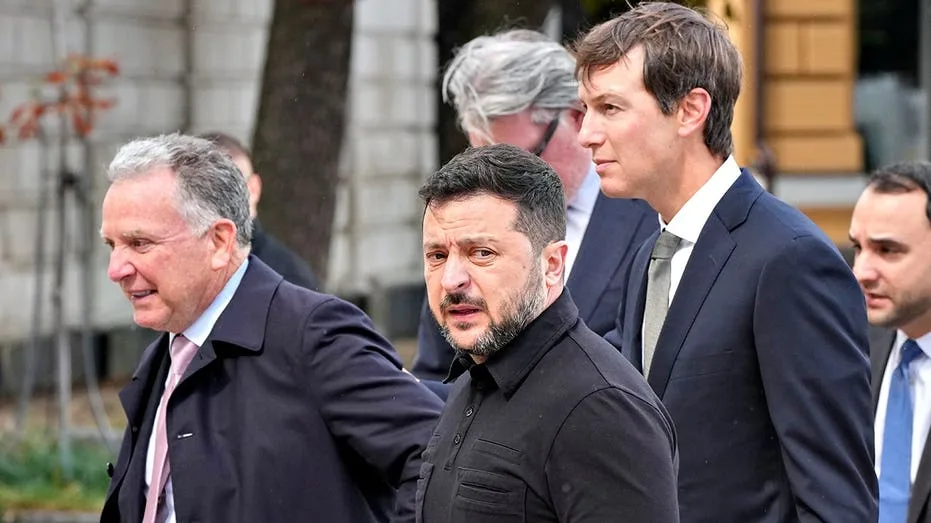
U.S. officials are set to mediate a new round of talks between Ukraine and Russia in Abu Dhabi on November 10-11. The discussions aim to forge post-war security arrangements, de-escalation, and humanitarian efforts,
Nov 2
Ukraine President Zelenskyy Cautions Russia Plans 'Massive Attack' Amid US Midterm Elections
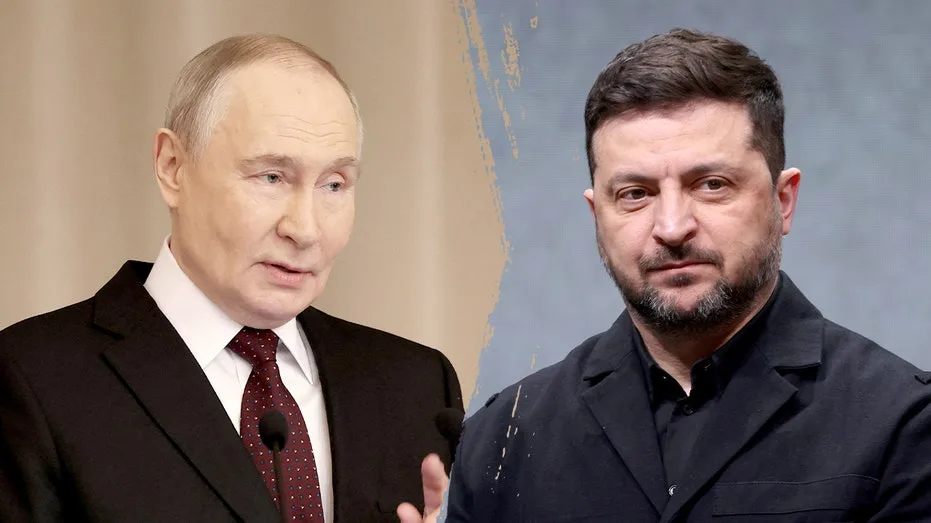
Ukrainian President Volodymyr Zelenskyy warns Russia is planning a "massive attack" during the US midterm elections, aiming to exploit diverted global attention. He urges increased pressure on Moscow, citing concerns
Nov 2

Ukraine's Air Alert System Compromised, Issuing False Radiation and Chemical Attack Warnings
Ukrainian authorities confirmed their air-raid alert app was hacked, broadcasting false warnings of radiation and chemical attacks in Kyiv. Officials quickly dismissed the alerts, attributing the incident to hostile
Nov 2