Federal Judge Invalidates Trump-Era Visa Freeze for 75 Nations, Citing Lack of Authority
A Manhattan federal judge ruled that the State Department's policy to deny immigrant visas from dozens of countries based on perceived public benefits risk exceeded statutory authority.
Politics·
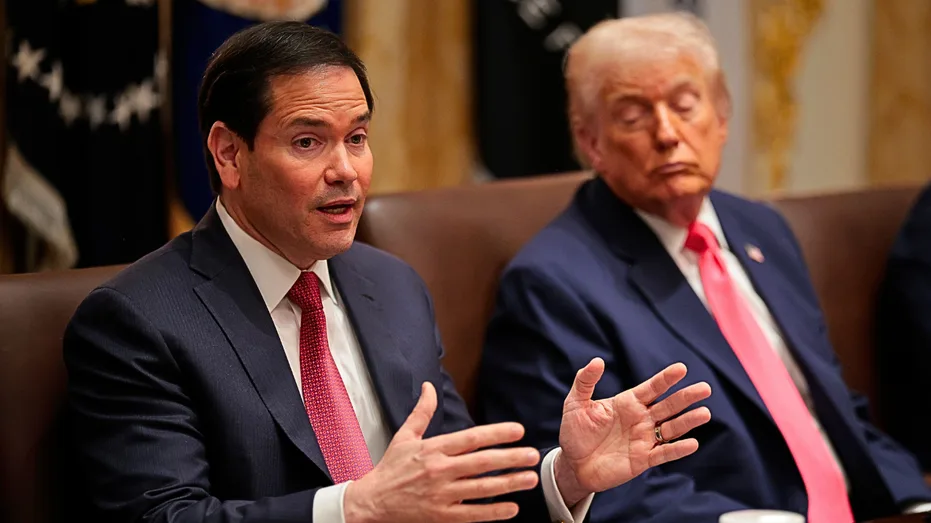
A federal judge has invalidated a Trump administration initiative that halted immigrant visa processing for individuals from 75 countries. The ruling, issued on Friday, determined that then-Secretary of State Marco Rubio exceeded his statutory authority by ordering visa denials for applicants who were otherwise deemed eligible to enter the United States.
U.S. District Judge Jeannette Vargas, a Biden appointee presiding in Manhattan, nullified the State Department's policy and any visa rejections based solely upon it. The court mandated that the government revisit these affected cases.
"The Court holds that the Policy is contrary to law and was issued in excess of Secretary Rubio’s statutory authority," Judge Vargas stated in her 61-page written opinion.
Policy Details and Implementation
The State Department implemented the controversial policy in January, suspending the issuance of immigrant visas to nationals from 75 nations identified by the department as having a high risk of becoming reliant on public benefits. This extensive list included countries across Africa, Latin America, the Caribbean, Eastern Europe, Southeast Asia, and the Middle East.
While the policy from Secretary Rubio instructed consular officers to conduct individual reviews for each applicant, Judge Vargas highlighted a critical flaw: even applicants who successfully passed this review, demonstrated "additional evidence that demonstrates he or she overcomes the public charge refusal," and had no other grounds for denial, were still refused visas if they originated from one of the 75 designated countries.
"While the Policy permits consular officers to exercise their normal functions up to a point, whatever determinations they make as to eligibility for the applicants subject to the Policy are ultimately irrelevant," Judge Vargas wrote. "The outcome is predetermined. The visa will be refused."
The judge concluded that this directive effectively established a nationality-based prohibition on immigrants from nearly 40% of the world's countries. She further noted that it sidelined consular officers, who are explicitly tasked by Congress with determining individual visa qualifications.
"The Policy thus displaces consular officers from the role Congress assigned them in the visa issuance process," Vargas affirmed.
"In addition to its other defects, the Policy also exceeds the statutory authority that the INA vests in the Secretary of State," Vargas continued. "Specifically, Secretary Rubio’s Cable directing consular officers that they 'must refuse' immigrant visas to nationals of certain countries cannot be reconciled with Congress’s express limitation on his authority as Secretary of State."
Rejection of Government Arguments
The Trump administration contended that these visa refusals were lawful because consular officers formally processed them under Section 221(g) of the Immigration and Nationality Act (INA), an existing provision for visa denials. Judge Vargas, however, dismissed this reasoning, asserting that the government failed to identify any legal basis permitting an officer to deny a visa to an applicant already found eligible.
"The Government engages in what is best described as an exercise in Orwellian logic," Judge Vargas declared.
She determined that the policy violated the INA's prohibition against nationality-based discrimination in immigrant visa issuance. It also contravened provisions that only allow visa refusals when an applicant is legally ineligible. The administration's approach, she concluded, created "pernicious distinctions based upon nationality."
Judge Vargas also refuted the administration's argument that the policy preserved consular officers' authority because they ultimately entered the denials themselves.
"The fact that the mandatory visa refusal is ultimately effectuated by the consular officer hardly means that the consular officer’s role in the statutory scheme has not been usurped," she wrote.
Distinction from Prior Travel Ban Ruling
The judge drew a clear distinction between this policy and the Supreme Court’s 2018 decision upholding the Trump administration's initial travel ban. Judge Vargas highlighted that the previous Supreme Court case concerned presidential authority over who may enter the nation. In contrast, this particular case focused on whether the State Department possessed the authority to deny immigrant visas to applicants who were otherwise legally eligible.
Impact of the Ruling and Legal Action
This judicial decision does not invalidate visa denials that were based on other independent grounds of ineligibility. However, it specifically voids all refusals that were based solely on the 75-country freeze, directing the government to return those cases for further proceedings consistent with the court's ruling.
The lawsuit challenging the policy was initiated by several plaintiffs, including the Catholic Legal Immigration Network, Inc. (CLINIC); African Communities Together (ACT), an immigrant advocacy organization based in Harlem; five prospective employment-based immigrants; and six U.S. citizens seeking to reunite with family members in the country.
Related Stories

California Governor Gavin Newsom Sets Early 2024 Deadline for 2028 Presidential Bid Decision
California Governor Gavin Newsom announced he plans to decide on a potential 2028 presidential campaign by early January. The Democratic leader discussed his timeline while attending a UN climate conference, emphasizing
Nov 13
Republican Senator Warns Party to 'Forget 2028' After Midterm Setbacks and Leadership Criticism
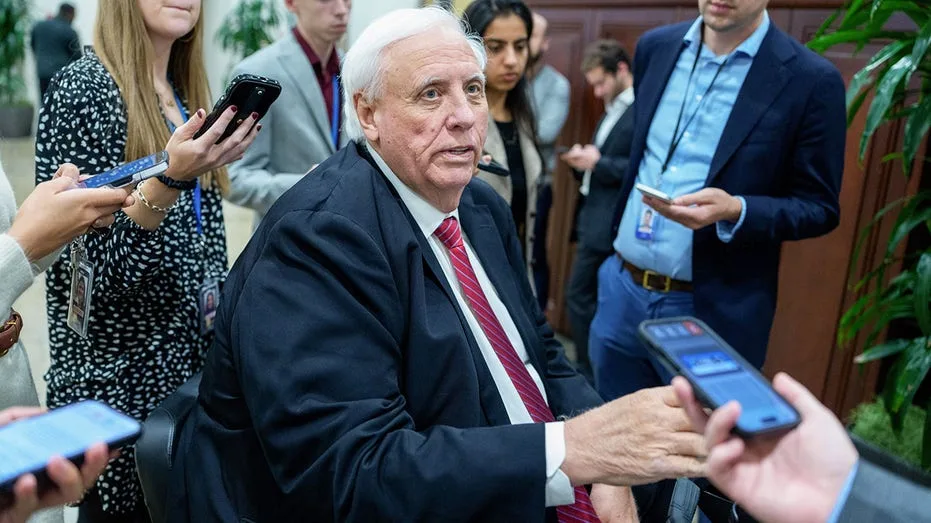
Senator Jim Justice (R-WV) stated the GOP should "forget" about securing a Senate majority in 2028, reflecting deep concerns after Democrats' stronger-than-expected midterm performance. Other Republicans emphasized the
Nov 12
Trump Differentiates Deportation Focus, Citing Less Pressure on Farm Workers and Hotel Staff
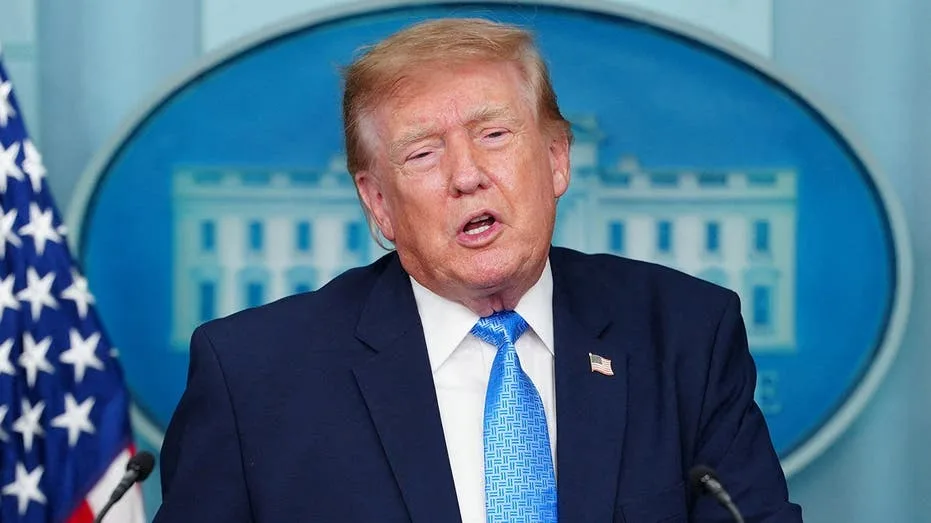
Former President Donald Trump elaborated on his administration's immigration enforcement priorities, indicating that the focus was primarily on individuals involved in serious crimes rather than on undocumented workers
Nov 10

Analysis Reveals Deep-Red Counties with Data Center Projects Showed Increased Democratic Shift in Midterms
A conservative AI safety group's analysis found that deeply Republican counties with data center projects shifted notably towards Democrats in recent midterms. This trend suggests a potential link between local
Nov 10