Kansas Democrats Back Candidate to Retain Governor's Office Against GOP Challenger
As Governor Laura Kelly approaches her term limit, Democrats in the reliably Republican state are rallying behind State Senator Cindy Holscher to succeed her.
Politics·
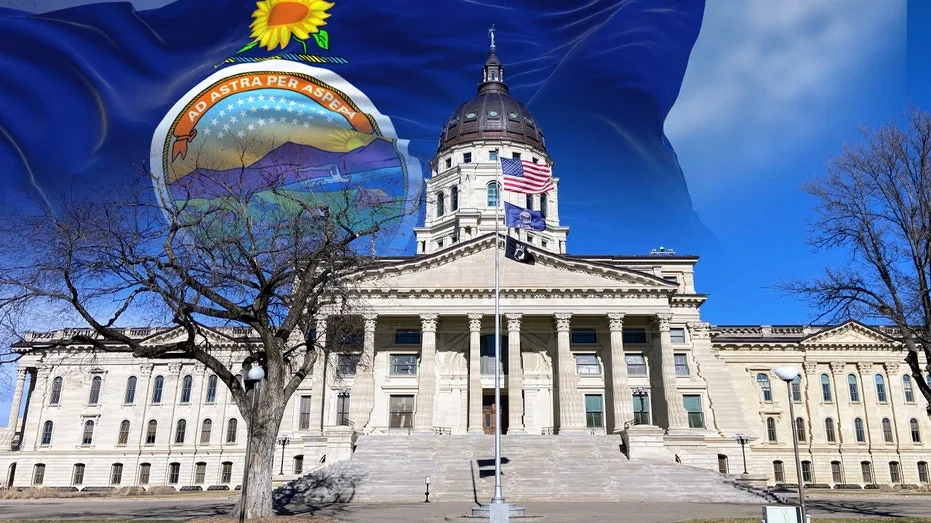
Kansas Democrats are focusing their efforts on retaining the governor's office in the upcoming November 3 general election, a significant challenge in the predominantly Republican state. Their chosen candidate, State Senator Cindy Holscher, is set to contend with Republican nominee Ty Masterson. The gubernatorial seat is open as current Democratic Governor Laura Kelly is term-limited. This scenario presents a key opportunity for the Republican Party, which aims to regain control of the state's top executive position after two consecutive terms under Democratic leadership.
The Primary Field
The Democratic primary saw State Senator Cindy Holscher emerge victorious from a field that also included State Senator Ethan Corson and Overland Park Mayor Curt Skoog.
Republicans, in contrast, navigated a crowded primary contest to select their nominee. Among those vying for the party's endorsement were Secretary of State Scott Schwab, Senate President Ty Masterson, Insurance Commissioner Vicki Schmidt, former Johnson County Commissioner Charlotte O'Hara, businessmen Nick Reinecker and Philip Sarnecki, and former Johnson County Sheriff Stacy Rogers. Ultimately, Ty Masterson secured the Republican nomination.
Judicial Amendment on the Ballot
Coinciding with the gubernatorial primary, a significant constitutional amendment appeared on the ballot in Kansas, proposing a fundamental change to how state Supreme Court justices are selected. This amendment sought to transition from the current system, where justices are appointed, to one involving direct elections.
The measure, championed by Republican legislators, follows years of conservative critique regarding the existing judicial selection methods in the state. Should the amendment pass, it would revise the Kansas Constitution to mandate that Supreme Court justices be elected by voters, rather than appointed via the state's current nominating commission framework.
The individual who prevails in November's general election will assume the role of Kansas's next governor once Governor Kelly's term concludes in January.
Despite Kansas's consistent lean towards the Republican Party, exemplified by its 57 percent vote for President Donald Trump in 2024, the governorship has seen shifts between Democratic and Republican control in recent election cycles, indicating a degree of electoral volatility at the executive level.
Related Stories
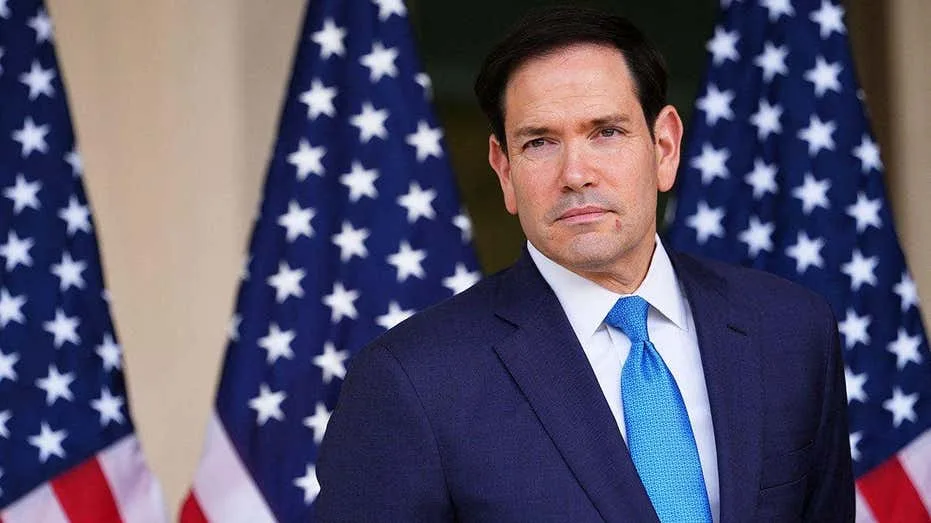
U.S. Intelligence Warns of Heightened Iranian Threat to Personnel Abroad
An unclassified U.S. intelligence memo highlights a substantial increase in Iranian efforts to target American personnel globally, with "lethal plotting" reaching advanced stages. This warning follows a State Department
Oct 24
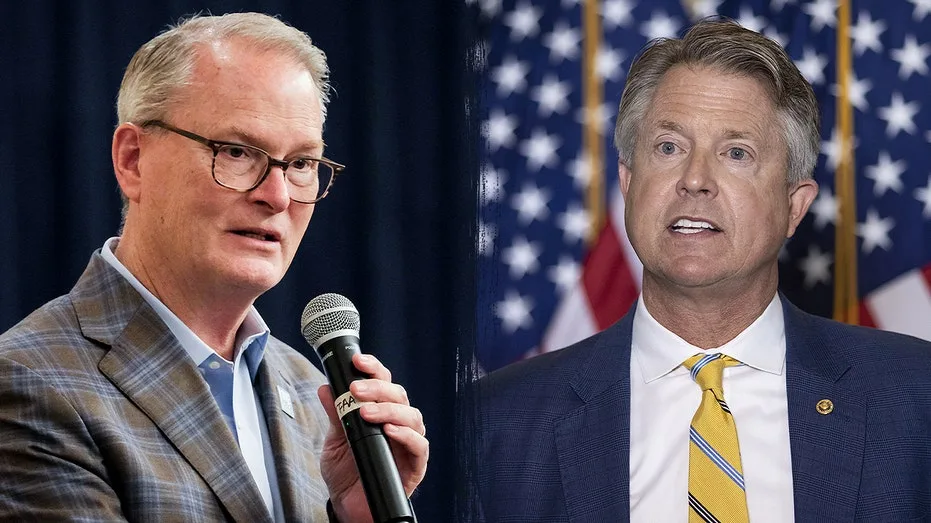
Kansas Senate Candidates Clash on Immigration, AI, and Social Issues in Heated Debate
Kansas Senator Roger Marshall and Democratic challenger Adam Hamilton debated critical issues from immigration and AI to gender identity and political allegiances. The contentious hour-long exchange occurred less than
Oct 23
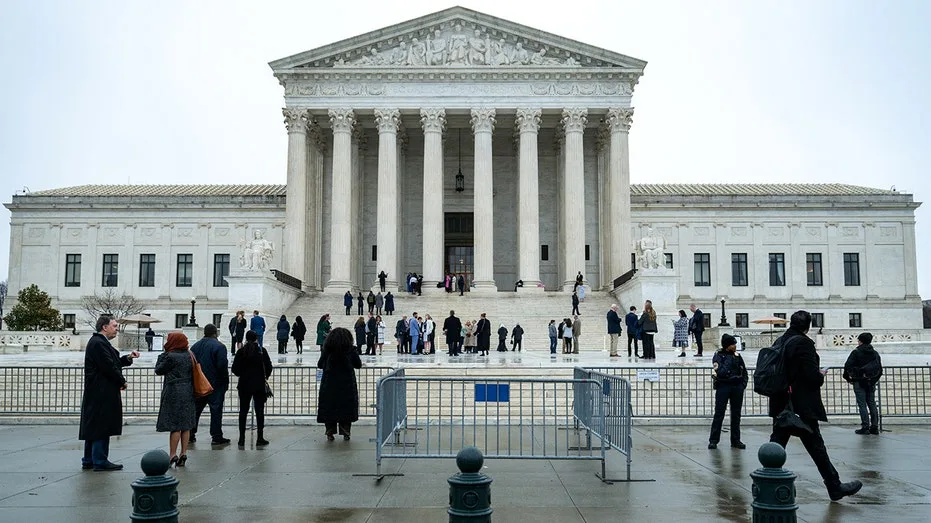
Supreme Court Allows New Hampshire to Reject Student IDs for Voter Verification Ahead of Midterms
The U.S. Supreme Court has permitted New Hampshire election officials to disallow student identification for voting in the upcoming midterm elections. This decision reverses a lower court's ruling, citing concerns about
Oct 23
Attorney General Blanche Does Not Rule Out DOJ Intervention in "Doomsday" Election Scenarios
Attorney General Todd Blanche suggested the Department of Justice could intervene in state election certification processes during "doomsday scenarios," while affirming no intent to improperly interfere. His comments
Oct 23