Massachusetts Home Visit Program Expansion Rekindles 'Big Sister' Concerns Amid Maternal Mental Health Focus
A proposed statewide expansion of Massachusetts' Welcome Family nurse home visit program for new parents has reignited decades-old warnings about government intrusion into private family life.
Politics·
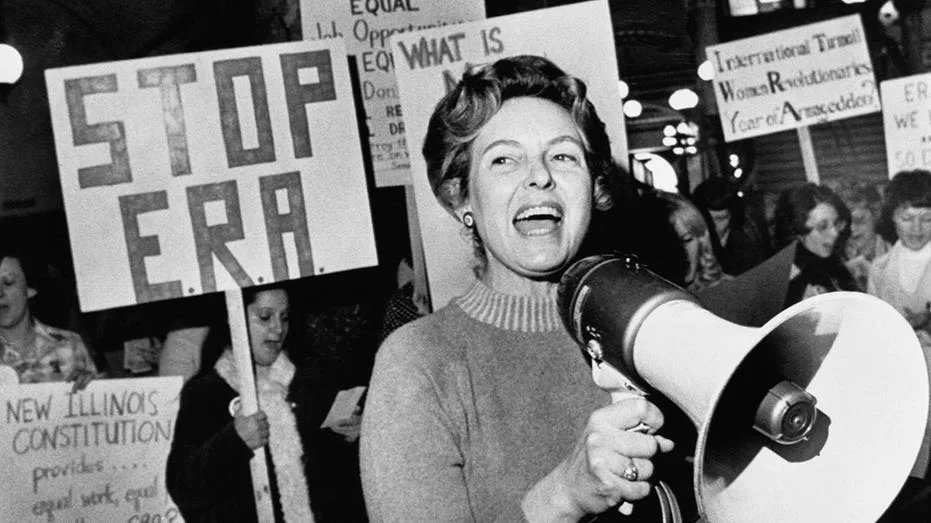
Nearly three decades after a prominent conservative voice cautioned against government agents entering family homes to offer parenting advice, Massachusetts is embarking on a significant expansion of its taxpayer-funded program providing nurses to new parents. The renewed debate centers on the balance between offering support for new families and potential governmental overreach.
In March 1999, Phyllis Schlafly, a revered conservative activist and women's advocate, penned a column titled, "Watch out for ‘Big Sister’ as Well as ‘Big Brother.’" In it, she posed a pointed question: "Are the American people willing to allow government agents to come into their homes to ‘advise’ them how to care for their babies?" Her daughter, Anne Schlafly, suggests this inquiry holds particular relevance today.
The discussion resurfaces as Massachusetts Governor Maura Healey seeks an allocation of $2 million to broaden the state's Welcome Family initiative, which currently offers nurse visits to approximately 3,000 new mothers annually after childbirth. The proposed expansion aims to make these visits available following roughly 68,000 births across the state each year.
This push for expanded services follows the highly publicized Lindsay Clancy case, which brought intense scrutiny to issues of maternal mental illness. Clancy is alleged to have caused the deaths of her three young children—Cora, 5; Dawson, 3; and Callan, 8 months—at their Duxbury residence in 2023. Her defense contended she was suffering from postpartum psychosis and lacked criminal responsibility, while prosecutors argued she was aware of her actions. The jury ultimately deadlocked, resulting in a mistrial.
Historical Warnings and Modern Resonances
For Anne Schlafly, who chairs Eagle Forum and is Phyllis Schlafly’s daughter, her mother's historical caution now resonates deeply. "Her point was a government agent or an agent of the government has no business in your home, in your castle, snooping around and determining whether or not you’re raising the children the way the government wants you to raise the children," she articulated. "After all, the home is our castle."
Phyllis Schlafly's 1999 column specifically addressed programs such as Healthy Families America and similar home-visiting models. She expressed concern over initiatives that screened families for potential risk factors, connected parents with health and social services, and offered in-home parenting guidance. A key element of her concern was whether programs officially designated as "voluntary" would, in practice, always maintain that characteristic.
Understanding Massachusetts' Welcome Family Program
Today, Massachusetts characterizes its Welcome Family program as entirely voluntary. Nurses conducting these visits assess the health of both the "parents and caregivers" and the newborn, provide answers to questions about infant care, screen for postpartum mental health conditions, and facilitate connections to additional support services.
Notably, among the subjects Welcome Family nurses may advise parents on, Massachusetts includes "ensuring that your home is safe," though the program’s public information page does not detail specific criteria for home safety. The state has described Welcome Family as an "entry point into the system of care" for families welcoming newborns. The Healthy Families America model, which was central to Phyllis Schlafly’s 1999 column, is also listed within Massachusetts' broader Home Visiting Initiative, separate from Welcome Family.
Governor Healey outlined her broader vision for the program's expansion during a Boston Public Radio interview. "Everybody in the state, when you have a baby, you’re going to have a home visit within days, weeks, and that will be an opportunity for a healthcare provider to make an assessment to see if you need some additional support and resources," Healey explained.
Concerns Over Informed Consent and Government Scope
Anne Schlafly raised questions about the true meaning of consent, especially for individuals shortly after childbirth. "Is it really voluntary if you don’t have true informed consent?" she queried. "If you have just given birth, you’ve been in labor, you’ve been under sedation, can you really recognize what you were signing up for supposedly on a voluntary basis?"
She emphasized the need for comprehensive disclosure: "I think mothers need to have the full disclosure that this would be a government agent in the home."
The sheer scale of the proposed expansion also alarms Schlafly. "If government is going to expand their reach and hire a whole bunch of more people and use taxpayer money to send out all these agents to the families, I mean, that’s quite an expansion," she stated. "This idea of coming in to inspect and see what’s going on in your home smacks of Big Sister and Big Brother both."
State's Response and Program Outcomes
Massachusetts officials, however, do not characterize these visits as inspections, but rather as voluntary health and support services. They highlight positive outcomes from the existing program, noting that in 2025, Welcome Family conducted 1,620 postpartum depression screenings, with 208 individuals screening positively. The state reports that every person who received a positive screening was subsequently referred for appropriate services.
Anne Schlafly clarified that she does not oppose families seeking and accepting such assistance. "If people want to have this help from Governor Healey, then they can avail themselves of it," she affirmed.
Her crucial distinction lies in whether parents retain the right to decline participation. "I think any time you make it compulsory, the line has been crossed," Schlafly stated. "I would say the only way that this Massachusetts program could be acceptable is if the parents could opt out at any time."
Massachusetts’ official materials consistently describe participation in the Welcome Family program as voluntary.
Nearly thirty years after her mother's initial warning about "Big Sister" entering the family home, Schlafly believes she knows what advice her mother would offer parents in Massachusetts today. "There’s no doubt that Phyllis Schlafly would advise parents to reject busybodies who want to inspect their home," she concluded. "The home is a sacred and private area, and Governor Healey has no business in the homes of Massachusetts parents. Let’s leave her to the state house and not the kitchen table."
Related Stories
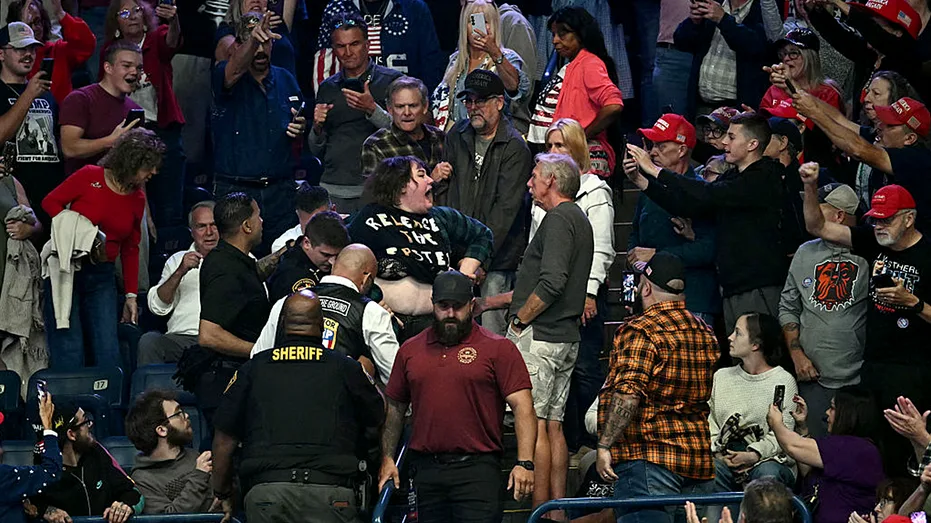
Protester Struck at Ohio Trump Rally, Former President Comments on Individual's Appearance and Motivation
A protester at a Youngstown, Ohio, rally was physically assaulted by a Trump supporter while the former president commented on the individual's weight and accused them of being a paid disruptor. The incident involved a
Oct 13
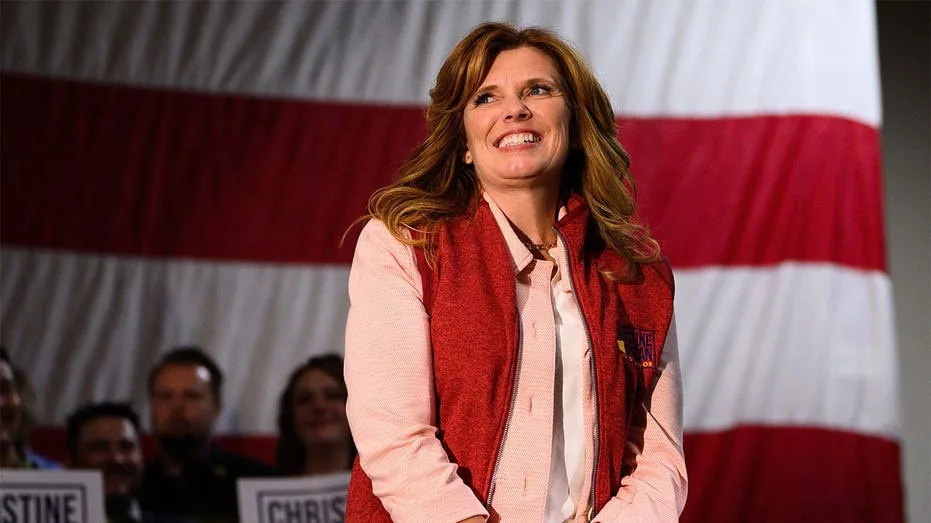
Oregon Gubernatorial Race Tightens as Republican Challenger Narrows Gap in Traditionally Blue State
Oregon's gubernatorial contest is becoming unexpectedly competitive, shifting from 'Likely Democrat' to 'Lean Democrat.' Local issues like homelessness, housing, and cost of living are creating an opening for
Oct 12
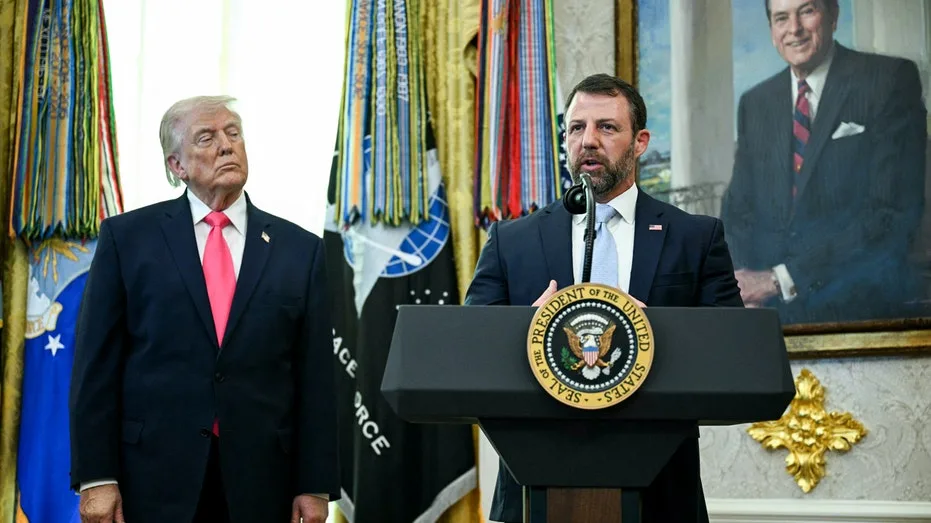
Federal Judge Halts Trump-Era Fines Up to $1.8 Million for Migrants
A federal judge has issued a preliminary injunction against Trump administration fines for migrants who failed to leave the U.S. after deportation orders. The ruling cited violations of federal law and potential
Oct 7

Dennis Hastert, Longest-Serving Republican House Speaker and Convicted Child Molester, Dies at 84
Former House Speaker Dennis Hastert has died at 84. His political career, marked by an unexpected rise to power as the longest-serving Republican Speaker, was later overshadowed by a federal conviction for concealing
Oct 6