The New York Times Ordered to Pay $9.25 Million in Defamation Verdict to Former Alabama Athlete
A jury found the publication defamed Kai Spears, an ex-University of Alabama basketball player, in a 2023 report.
Media·

A jury has found The New York Times liable in a defamation lawsuit, ordering the publication to pay $9.25 million in damages to a former University of Alabama basketball player. The verdict, delivered on Thursday, concludes a case brought by Kai Spears, who was erroneously linked to a fatal shooting incident in a 2023 news report.
The eight-person Alabama jury, after a nine-day trial, determined that the prominent newspaper had defamed Spears, who was an 18-year-old freshman walk-on for the Crimson Tide at the time the article was published.
Details of the Misidentification
Spears was incorrectly identified in a March 2023 article, penned by New York Times sportswriter Billy Witz, as being a passenger in a vehicle present at the scene of a January 2023 shooting. That incident tragically resulted in the death of 23-year-old Jamea Harris.
Publication's Response and Editor's Note
The New York Times later appended a comprehensive editor's note to the article in June 2023, but this action occurred only after Spears had initiated his defamation proceedings in the U.S. District Court for the Northern District of Alabama.
The original version of this article, published March 15, misidentified the person who was in the car with [Crimson Tide star player] Brandon Miller when the shooting occurred. Based on information from a person familiar with the case, the article erroneously identified that person as Kai Spears, a freshman basketball player. After the article was initially published, Alabama’s athletic director and Spears’s father denied that Spears was present. The Times included those responses and reviewed its reporting, but did not conclude that any other change to the article was warranted at that time.
On Wednesday, Spears filed a defamation suit against The Times that included new details about the incident. Based on that information, editors assigned further reporting, which determined that the other person at the scene was not Spears but Cooper Lee, a student manager for the team. The Times regrets the error in the initial report.
Reporter's Testimony and Source Reliance
During the trial, Billy Witz, who joined The New York Times' reporting staff in 2008, testified about his reliance on a single anonymous source for the initial claim regarding Spears's presence. Witz characterized this source as a "high-level person, professional."
Witz further elaborated on his assessment of the source, stating, "I think the way I was looking at it, Source A, by their job title and by virtue of their access to the transcript, videos and impound photos, was somebody who knew a lot about this case." He added, "In my mind, the story had a focus and this tragedy, as bad as it was, could have been much worse."
Additionally, Witz recounted that another anonymous source had provided a vague description, telling him, "I can tell you it's a white guy on the basketball team, I just don't remember his name."
From the witness stand, Witz ultimately acknowledged the inaccuracy in his reporting, conceding, "Yes, [the story] had a mistake, no question."
Historical Context of the Verdict
In its own coverage of the jury's decision, The New York Times acknowledged that this verdict marks the first time in over 50 years that the publication has lost a defamation lawsuit brought against it in the United States concerning one of its articles.
Related Stories
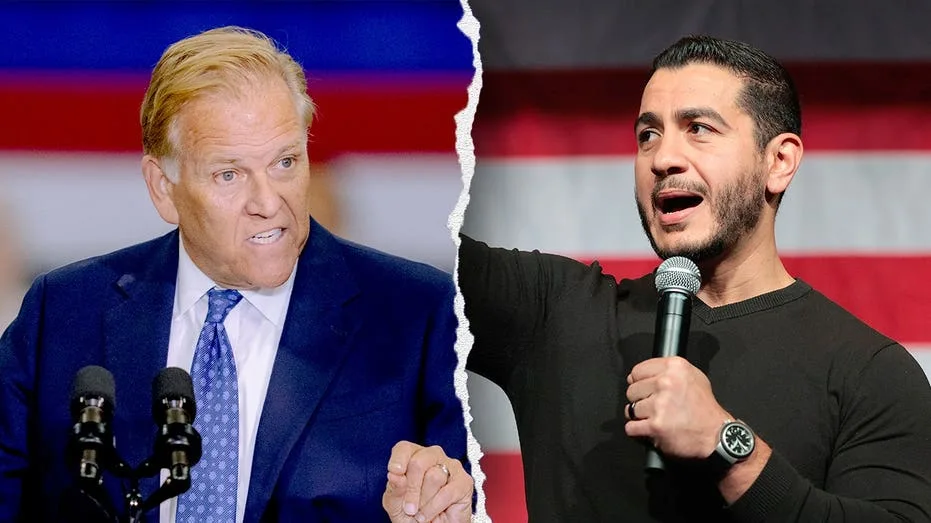
Michigan Senate Race Heats Up as Rivals Clash Over Muslim Brotherhood Allegations and Policy Stances
A heated exchange between Michigan Senate candidates El-Sayed and Rogers centered on accusations regarding the Muslim Brotherhood. El-Sayed denied any affiliation, while Rogers maintained concerns about his ideology.
Oct 24
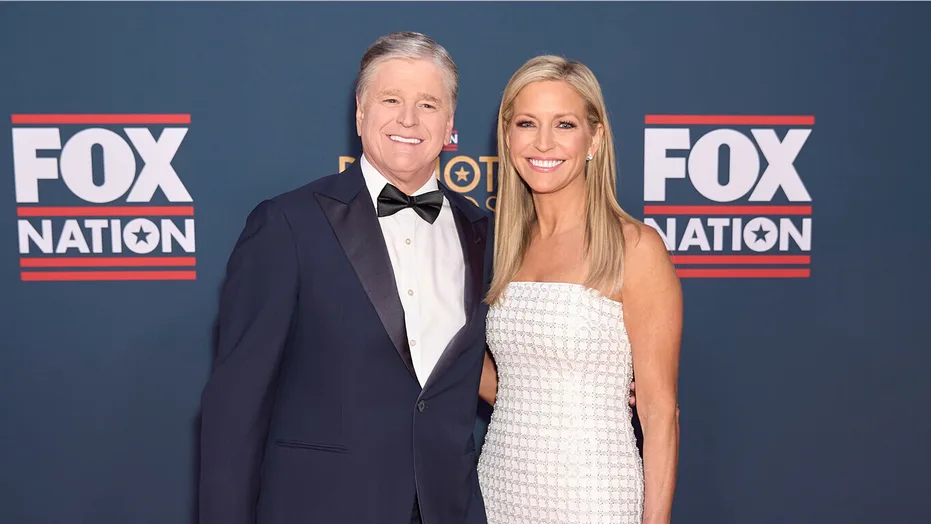
Ainsley Earhardt and Sean Hannity Host Mar-a-Lago Celebration Ahead of Wedding
Ainsley Earhardt and Sean Hannity recently celebrated their upcoming marriage with a special gathering at Mar-a-Lago. The event brought together loved ones and prominent guests, including former President Donald Trump,
Oct 24
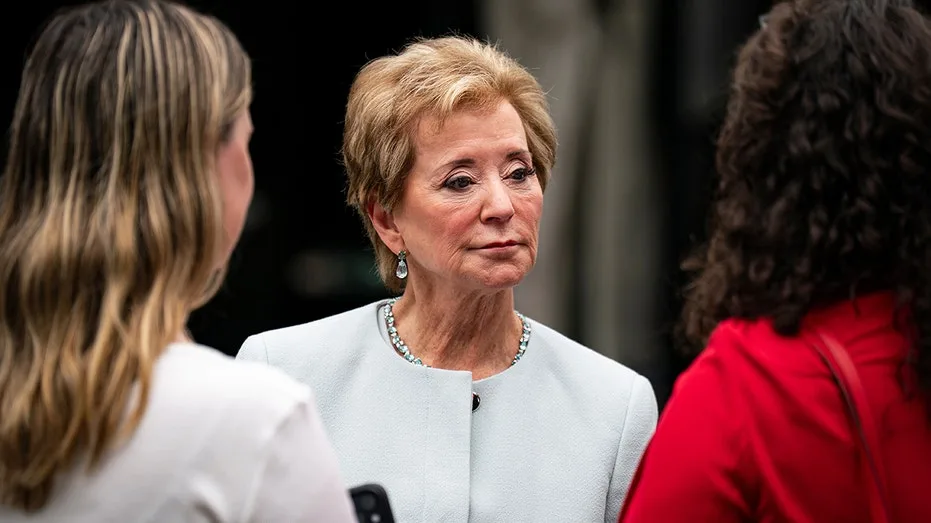
Education Secretary Pushes to Dissolve Department, Citing Interagency Efficiency and State Empowerment
Education Secretary Linda McMahon is advocating for the Department of Education's dissolution, showcasing through interagency agreements that its vital functions can be seamlessly reallocated. This initiative aims to
Oct 24
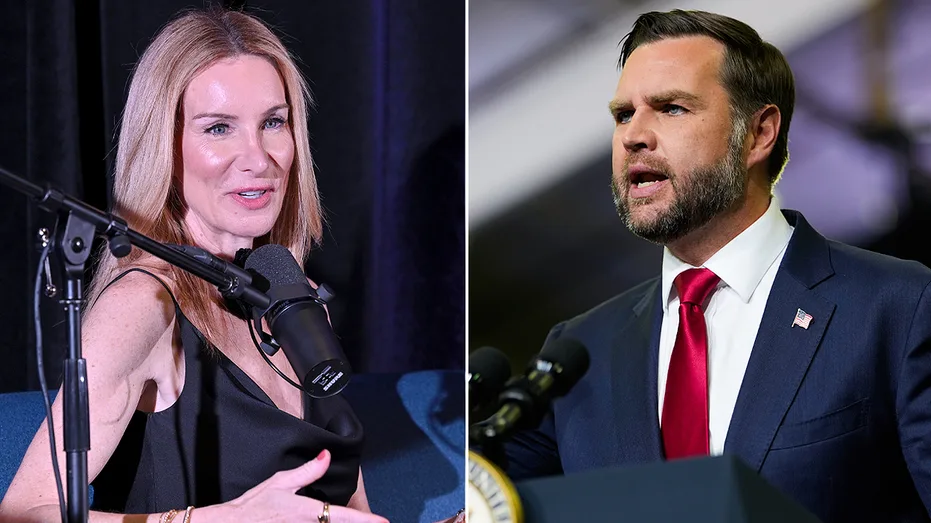
Podcaster Calls for 'Pistols Firing' Against JD Vance, Sparks Social Media Outcry
Podcaster Jennifer Welch has ignited controversy with remarks targeting Vice President JD Vance, advocating for his political defeat and urging sustained aggressive action. Her statements, which included personal
Oct 23