Norway Considers Temporary Ban on Smart Glasses in Public Spaces Amid Privacy Concerns
A new proposal by the Norwegian government aims to restrict the use of AI-enabled glasses in popular tourist areas and public venues.
Travel·
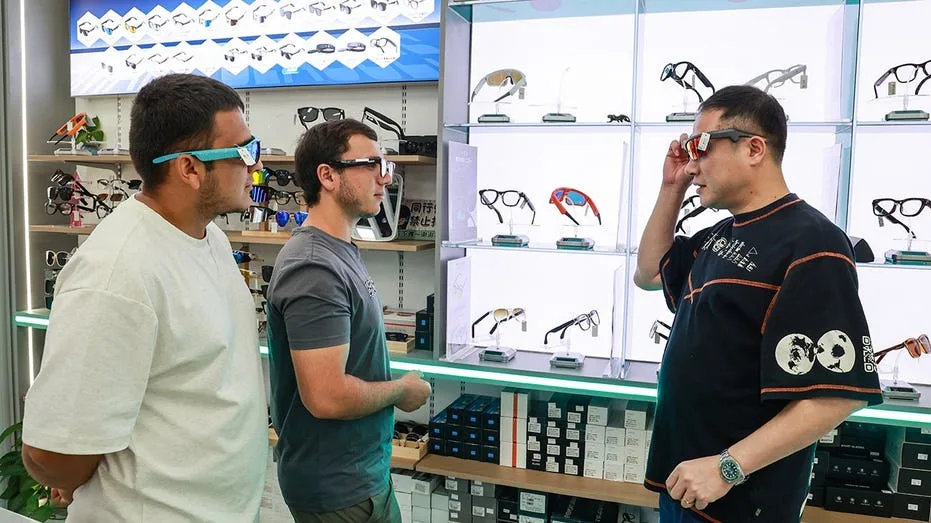
Travelers visiting Norway could soon encounter new restrictions on the use of smart glasses in various public settings. The Norwegian government has announced plans to introduce legislation that would temporarily prohibit AI-enabled glasses in certain areas, citing concerns over individual privacy.
According to a statement from the Norwegian Ministry of Digitalization and Public Governance, the proposed limitations would apply to locations frequently visited by the public and tourists, including beaches, parks, museums, retail centers, and public events.
Smart glasses are often equipped with cameras and microphones, enabling them to capture photographs and record both video and audio. Officials in Norway have expressed apprehension that this technology could facilitate the recording of individuals without their awareness or consent.
"We do not want a society where people are concerned about hidden sound recordings, photography and filming in places and in situations where they are used to being without being monitored," stated Torgeir Micaelssen, Minister of Digitalization and Public Administration.
The proposed regulations have not yet taken effect. The government intends to present the legislation to Norway's parliament, known as the Storting, as quickly as possible.
Scope of the Proposed Restrictions
Authorities are still in the process of defining the precise scope of the ban, including which specific devices and locations would be covered. This includes determining whether the rules would exclusively target AI-enabled glasses or extend to other forms of wearable recording technology, the ministry's press release indicated.
The government clarified that it is not seeking a complete prohibition on smart glasses. These devices would still be permissible for private use and in specific environments where there is no risk of recording other individuals without their explicit consent.
Global Privacy Debates
The discussion in Norway mirrors broader privacy debates surrounding smart glasses and wearable recording devices that are also occurring in other countries, including the United States.
In California, Governor Gavin Newsom recently vetoed a legislative measure designed to penalize individuals for using smart glasses to record others without authorization in sensitive locations such as changing rooms and medical offices. The legislation also sought to mandate that smart glasses and similar wearable recording devices, starting in 2028, incorporate a visible light or other indicator to signal when audio or video capture was in progress.
Governor Newsom justified his veto by noting that the bill's definition of a wearable recording device was overly broad. He also highlighted that California already possesses statutes that forbid unauthorized recording in places where individuals have a reasonable expectation of privacy.
Under the provisions of the vetoed California legislation, individuals found to have secretly recorded someone in prohibited circumstances could have faced fines of up to $1,500 or potential imprisonment. Companies found selling devices that did not adhere to the proposed signaling requirements could have been subject to fines up to $2,500.
Related Stories

U.S. State Department Clarifies Saudi Arabia Travel Advisory Amidst Middle East Tensions, Denies Wider Gulf Evacuation
U.S. officials clarified that an ordered departure for non-essential government staff applies only to Saudi Arabia, not the entire Gulf. This comes amidst escalating Middle East tensions, including militant strikes and
Oct 21

US Officials Issue Urgent Travel Alert for Djerba, Tunisia, Citing Heightened Threats
U.S. officials have issued a travel warning for Djerba, Tunisia, advising Americans to avoid the island around October 7, 2026. The alert cites heightened security concerns and the anniversary of the 2023 attacks in
Oct 6
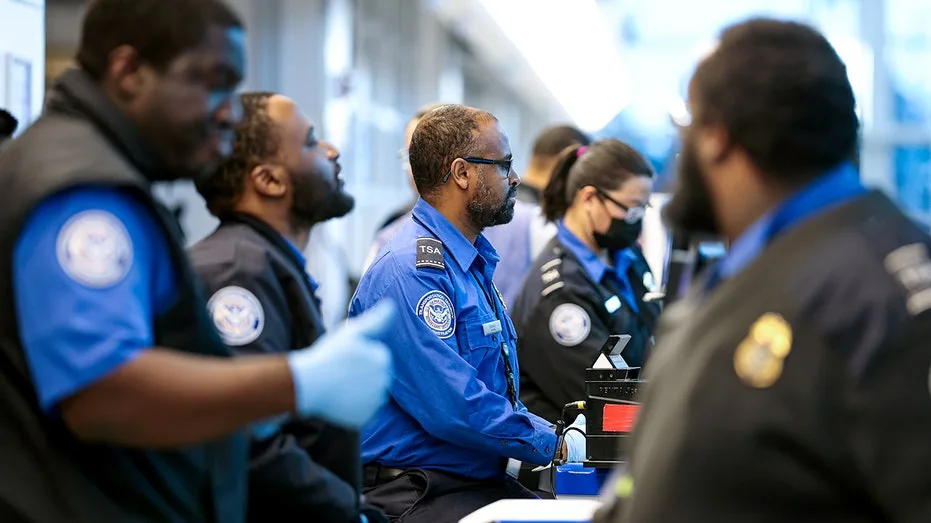
New TSA Policy Requires ID Verification Officers to Stand, Sparks Union Concern
The Transportation Security Administration has mandated that officers checking IDs at airport security checkpoints must now stand. The agency claims the policy improves security and passenger experience, but the
Oct 3
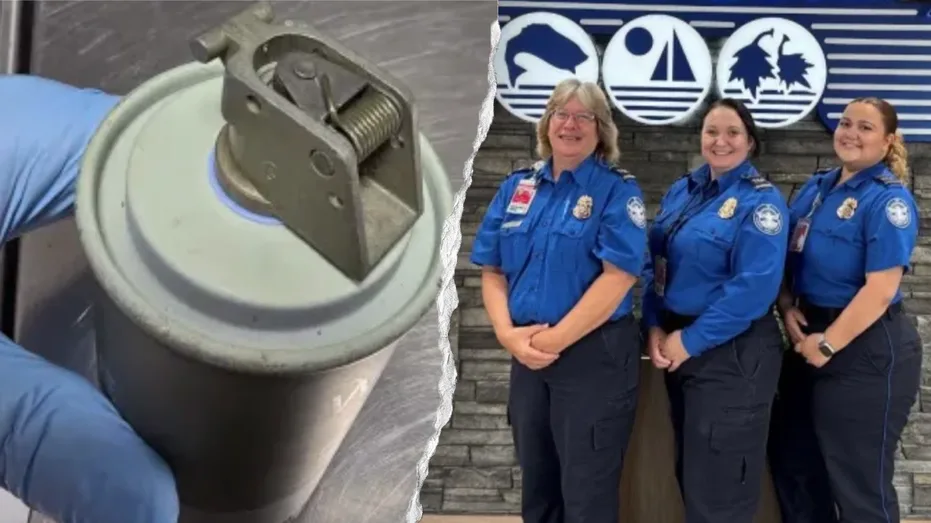
Spent Smoke Grenade Discovered in Carry-On at Upstate New York Airport Security Checkpoint
Transportation Security Administration officers at Watertown International Airport recently discovered a spent M18 smoke grenade concealed inside an aerosol can during a routine security screening. The unusual find
Oct 3