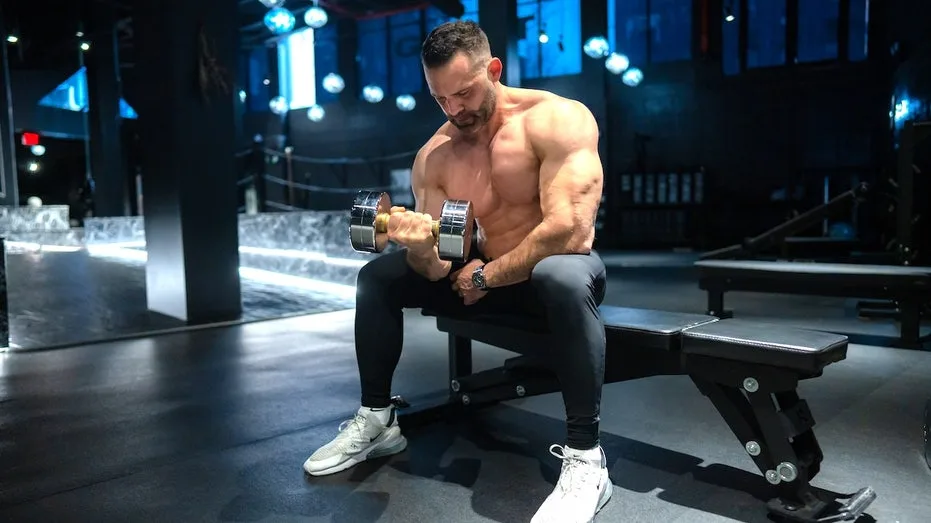
The period immediately following physical exertion can be just as crucial as the workout itself, particularly as individuals advance in age. For adults over 35, muscles may exhibit reduced responsiveness to protein synthesis and other signals vital for muscle growth. This makes effective post-exercise recovery paramount for repairing tissue damage and sustaining physical strength.
Jacob Zemer, a New York-based fitness professional, places significant emphasis on recovery protocols with his clientele, who typically range in age from 35 to 55 years old.
Zemer has identified six key strategies that adults over 35 can adopt to enhance their post-exercise recovery.
Prioritize Restorative Sleep
Adequate sleep is fundamental for recovery. Zemer recommends specific steps to achieve deeper, more restorative rest, which is essential for the body's repair processes.
Undergo Regular Health Screenings and Lab Work
Routine medical examinations and recommended laboratory tests can help uncover underlying health issues that might impede effective recovery. Zemer advises, "Make sure you’re keeping up with what's going on with your hormones. Make sure everything in your body is functioning properly, because as we age, our bodies change."
However, health professionals stress that preventative screening should be tailored to individual factors, including age, gender, presenting symptoms, and personal medical history. The U.S. Preventive Services Task Force, for instance, suggests screenings for conditions such as elevated blood pressure, prediabetes or type 2 diabetes, and osteoporosis.
Incorporate Heat Exposure
Zemer suggests that exposure to heat can be a beneficial method to support muscle strength and recovery after physical activity. Warmth promotes vasodilation, which increases blood flow to fatigued muscles, potentially aiding in the delivery of nutrients essential for repair processes. A review of 22 studies published in 2025 indicated that nearly half of the participants reported improved muscle function recovery when using heat therapy.
Practice Post-Workout Stretching
"After you get done working out, your muscles are shortened," Zemer explains. "And so you want to re-lengthen them by stretching." Strength training can impose considerable stress on the body. Therefore, maintaining full mobility through a complete range of motion and incorporating post-exercise stretching is vital, according to the fitness expert.
Ensure Adequate Protein Intake and Hydration
Consuming sufficient protein after a workout is crucial for muscle repair and rebuilding, Zemer stresses. The International Society of Sports Nutrition recommends aiming for approximately 20 to 40 grams of high-quality protein following training sessions. For active adults, a general guideline is roughly 1.4 to 2 grams of protein per kilogram of body weight daily.
It is important to note that protein requirements should be individualized, particularly for those with specific medical conditions.
Hydration is equally important before exercise, Zemer adds. "If you don't drink enough water, you're really setting yourself up for failure when you're in the session, which is going to cause you to have lackluster results," he cautions.
Dedicate Time for Rest and Nourishment
"You just did something that, even if it’s healthy and has a positive impact on your body, still stresses your body," Zemer states. "Your cortisol’s high. So getting a good meal and a little bit of rest before you move on with your day" can significantly assist the body in its recovery efforts.
The primary objective is to provide the nervous system and muscles with the necessary resources for recuperation. A 2026 review characterized exercise as a continuous cycle of "stress response, adaptation and recovery," highlighting that the benefits derived from workouts are contingent upon adequate recovery periods, sufficient sleep, and available energy.
Understanding the Nuances of Muscle Soreness
While experiencing some muscle soreness after exercise is normal and generally indicates a productive workout, Zemer points out a critical distinction between beneficial and detrimental soreness. "If it takes you a full week to recover, you simply trained too hard."
Zemer advises that the body adapts to training progressively, meaning individuals should gradually introduce new fitness routines rather than pushing too intensely too soon. "If you have extended amounts of soreness that exceed two or three days, you did too much," he clarifies. "If your knees and joints ache, you did too much."
However, this does not necessarily mean stopping exercise entirely. "It just means maybe drop back what you did by 30% and start from there," Zemer suggests. "For example, if you did six sets of legs, try instead to do four sets of legs the next time you train. That's going to make it far more effective for your recovery."
A critical insight from the trainer is that endorphins released during exercise can temporarily mask pain. Discomfort that seems manageable during a workout might intensify significantly once these natural pain-relieving chemicals dissipate. "If something hurts in the gym when you have your endorphins going strong, it's going to hurt really bad later – and that's the last thing you want, because if you're hurt, you're not going to be able to train consistently."