Residents Grapple with Socialism's Meaning Amid Rising Political Influence
As democratic socialist candidates achieve primary victories, citizens in a liberal city offer varied and sometimes conflicting views on what socialism entails for society and the economy.
Politics·
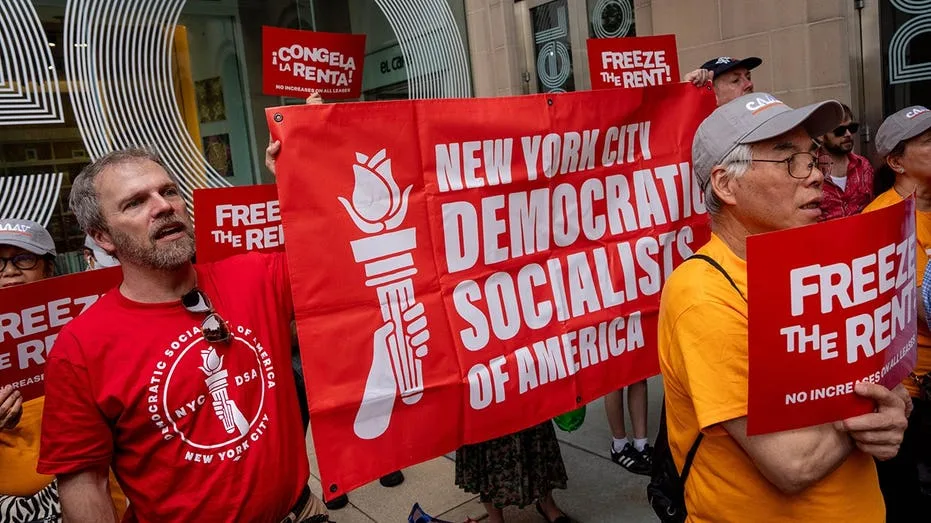
The discourse surrounding socialism has become a prominent feature of the current election cycle, particularly as candidates supported by the Democratic Socialists of America (DSA) have secured notable victories against more moderate opponents in numerous Democratic primaries this year. The growing influence of the DSA is a key factor shaping the ideological direction of the Democratic Party.
Defining Socialism: Diverse Perspectives
Lewis, a retired Navy veteran, initially described socialism favorably, stating it "looks out for people's needs.... and it's not communism." However, when pressed on the definition, his perspective revealed a more nuanced understanding. He acknowledged, "I hadn't really thought about socialism that way. I think about taking care of the needs of people, you know, things like... national health care, things like that." Yet, he also expressed a reservation, adding, "I don't like government taking things away from you." Lewis further articulated that socialism exists to assist "people who aren't as, you know, benefiting in society."
While both socialism and communism advocate for collective ownership of the means of production—such as factories, businesses, and major industries—socialism encompasses a broader spectrum of approaches, some of which accommodate private enterprise. In contrast, communism has historically envisioned the elimination of private ownership of productive assets and, ultimately, a classless society.
Economic Equity and Business Autonomy
Nola, another individual interviewed in Portland's Monument Square, offered a complex view on economic structures. She asserted that "business owners should have their autonomy" and that "people deserve to earn their money." However, she also highlighted disparities, noting, "there are a lot of really high-end... corporations that benefit so much... that really don't need that much wealth... there's so much exorbitant wealth at the top end that a lot of that could trickle down to people who are disadvantaged and don't have homes."
Nola unequivocally stated her support for socialism, describing it as "a good thing. It means equity." When asked specifically about the government takeover of businesses and means of production under a socialist system, she affirmed her "100%" support. Drawing on personal experience, she explained, "I'm the daughter of a small business owner. I've seen how tough it is to run a small business in this country and how easy it is for corporations to just do whatever they want." She believes that if "we gave actually back to small businesses and the government helped them out... and so much of the market that's privatized actually became public, I think... with how big the U.S. has gotten, it's only a good thing."
Critiques of Government Overreach
In contrast, Ted expressed strong opposition to socialist ideologies. "Socialism overall, I think it's a horrible idea," he emphasized. He warned of the historical implications, stating, "If we can learn from history, anything from history, we see that it's gonna really give way too much power to the government institution. It's gonna... make things that are harmful overall for everyone... it's like it's dictatorship."
Ted argued that "socialism just impoverishes. Capitalism, the free market economy is a good thing." While acknowledging that "some people are very wealthy and very greedy," he maintained that capitalism generally "creates other wealth for other people."
Related Stories
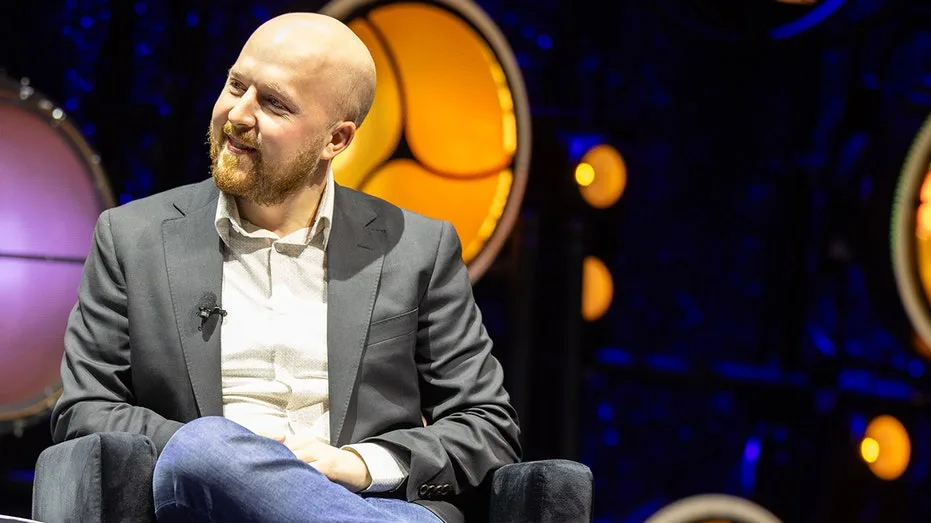
Democrat Jonathan Kreiss-Tomkins Secures Alaska Governorship Amidst GOP Divisions
Democrat Jonathan Kreiss-Tomkins won Alaska's gubernatorial election, ending a long Republican hold. His victory followed significant GOP infighting, including a Trump-backed contender, under the state's unique
Nov 14
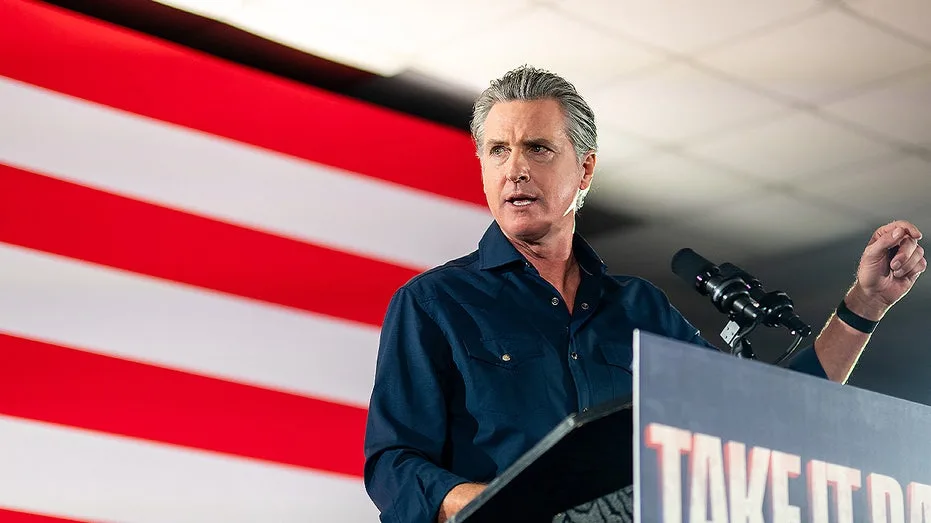
California Governor Gavin Newsom Sets Early 2024 Deadline for 2028 Presidential Bid Decision
California Governor Gavin Newsom announced he plans to decide on a potential 2028 presidential campaign by early January. The Democratic leader discussed his timeline while attending a UN climate conference, emphasizing
Nov 13
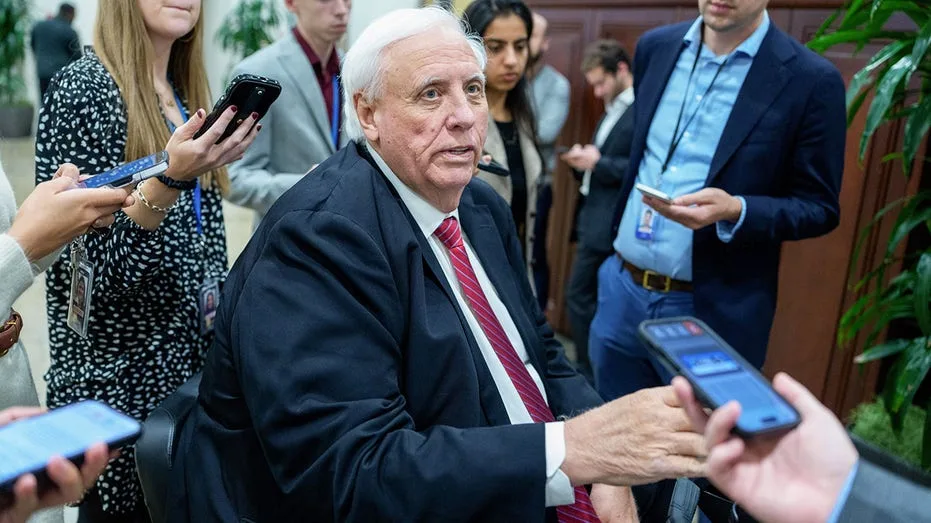
Republican Senator Warns Party to 'Forget 2028' After Midterm Setbacks and Leadership Criticism
Senator Jim Justice (R-WV) stated the GOP should "forget" about securing a Senate majority in 2028, reflecting deep concerns after Democrats' stronger-than-expected midterm performance. Other Republicans emphasized the
Nov 12
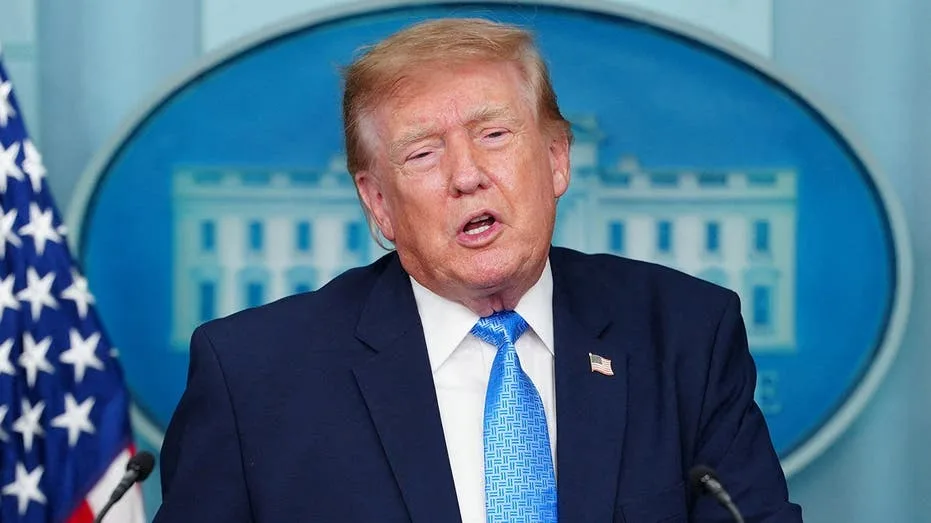
Trump Differentiates Deportation Focus, Citing Less Pressure on Farm Workers and Hotel Staff
Former President Donald Trump elaborated on his administration's immigration enforcement priorities, indicating that the focus was primarily on individuals involved in serious crimes rather than on undocumented workers
Nov 10