University of Michigan to Shield First-Semester Freshman Letter Grades from Transcripts in New Mental Health Plan
The new policy, effective Fall 2027 for incoming LSA students, aims to ease the transition into college life and reduce academic pressure.
Media·
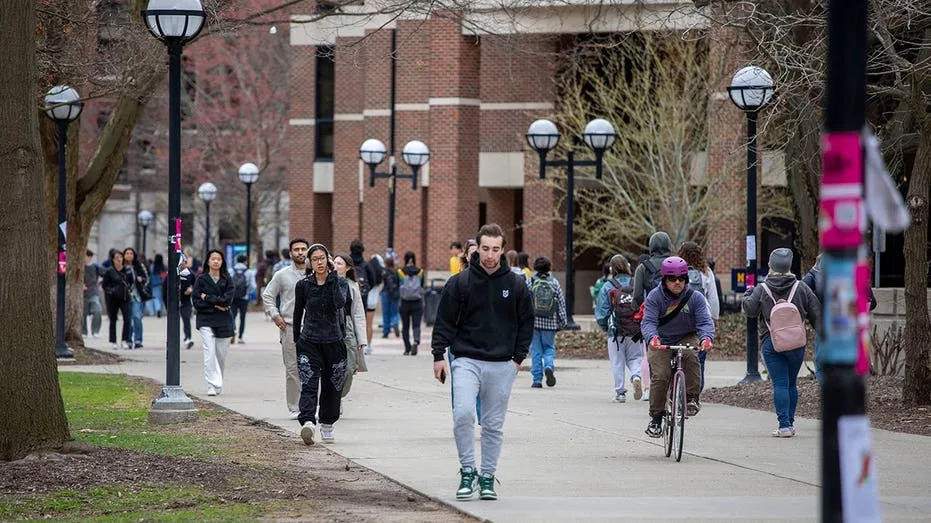
The University of Michigan is set to modify how first-semester letter grades appear on freshman transcripts, beginning with the fall 2027 intake. This change is part of a broader effort by university officials to address what they describe as a "mental health crisis" prevalent in higher education today.
Details of the New Grading System
Incoming first-year students within the university's College of Literature, Science, and the Arts (LSA) will have their initial semester's academic performance recorded as either "pass" (P) or "no credit" (NC) on their official transcripts. This initiative directly targets the objective of "curb[ing] the mental health crisis unfolding among college-aged individuals," according to statements from the institution.
"Our goal is to help first-year students acclimate to the demands of college and allow intrinsic motivations to guide personally meaningful academic journeys — core elements of a liberal arts and sciences education."
The LSA, which is the largest of the university's 19 colleges, serving approximately 19,700 undergraduate students, will continue to provide students with their conventional letter grades throughout the semester. However, the final average will not be displayed on their external transcripts, instead showing the P or NC designation.
These covered grades will not contribute to a student's cumulative grade point average (GPA). University officials suggest this approach grants first-year students greater latitude to explore various academic disciplines.
"For example, they can explore a subject that may not come easily to them or take a course in a new field without the fear that a low grade may have long-term consequences," the university elaborated. "LSA is investing in students’ well-being and growth by fostering a culture of connection and collaboration — rather than competition."
Policy Scope and Internal Use
Under this new framework, the university will maintain students' first-semester letter grades internally. These records will be utilized for various administrative functions, including academic advising, consideration for potential academic awards and scholarships, applications for internships and other professional opportunities, athletic eligibility, compliance reporting, monitoring degree progress, and determining financial aid.
The policy, effective for the 2027 academic year, exclusively applies to incoming freshmen enrolled in the LSA, and there is no provision for students to opt out.
The university explained its stance on the absence of an opt-out mechanism, stating: "An opt-in structure would defeat the purpose of facilitating students’ transition to campus, supporting mental health and well-being, and bolstering intrinsic motivations for learning."
The University of Michigan joins a select group of institutions nationwide that have implemented similar grading policies. Noteworthy examples include the Massachusetts Institute of Technology, Swarthmore College, and the California Institute of Technology.
Expert Concerns and Debate
While the program is designed to enhance student mental well-being, psychotherapist Jonathan Alpert expressed reservations, suggesting it might inadvertently cause more harm than good.
Alpert contended that despite the policy's intention to alleviate stress and pressure during the initial college semester, it could potentially hinder students' readiness for the challenges of life beyond academia.
"This is therapy culture invading the classroom. We’ve spent years turning normal human emotions into symptoms. Stress becomes a mental health issue," Alpert remarked. He added, "College should be one of the places where young people discover that they’re tougher than they think."
Alpert further emphasized, "A bad grade isn't psychological harm. Sometimes it's the wake-up call a student needs."
Related Stories

Michigan Senate Race Heats Up as Rivals Clash Over Muslim Brotherhood Allegations and Policy Stances
A heated exchange between Michigan Senate candidates El-Sayed and Rogers centered on accusations regarding the Muslim Brotherhood. El-Sayed denied any affiliation, while Rogers maintained concerns about his ideology.
Oct 24

Ainsley Earhardt and Sean Hannity Host Mar-a-Lago Celebration Ahead of Wedding
Ainsley Earhardt and Sean Hannity recently celebrated their upcoming marriage with a special gathering at Mar-a-Lago. The event brought together loved ones and prominent guests, including former President Donald Trump,
Oct 24
Education Secretary Pushes to Dissolve Department, Citing Interagency Efficiency and State Empowerment
Education Secretary Linda McMahon is advocating for the Department of Education's dissolution, showcasing through interagency agreements that its vital functions can be seamlessly reallocated. This initiative aims to
Oct 24
Podcaster Calls for 'Pistols Firing' Against JD Vance, Sparks Social Media Outcry
Podcaster Jennifer Welch has ignited controversy with remarks targeting Vice President JD Vance, advocating for his political defeat and urging sustained aggressive action. Her statements, which included personal
Oct 23