Colorado Voters to Consider Constitutional Protections for Hunting and Fishing
A proposed amendment aims to elevate hunting and fishing rights beyond legislative changes, seeking long-term preservation of outdoor traditions and wildlife management.
Culture·
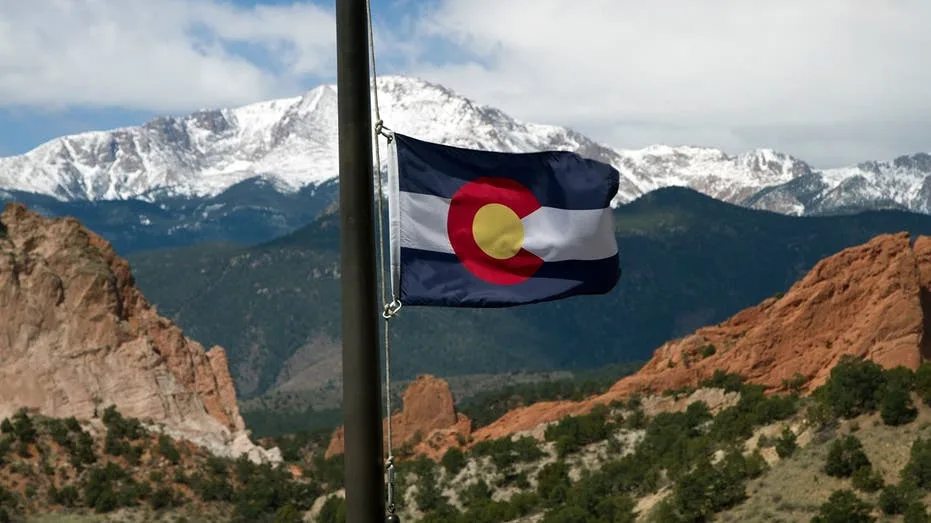
While hunting and fishing are currently lawful activities in Colorado, voters in the state are being asked to consider a ballot measure that would elevate these activities to constitutionally protected rights.
Luke Hilgemann, CEO of the International Order of T. Roosevelt (IOTR) and chairman of the campaign advocating for Colorado's Amendment 83, emphasizes that the initiative is designed to safeguard these rights from potential future legislative actions. He explained that although these activities are legal now, this status does not guarantee their perpetual protection.
"Well, it's legal, but that doesn't mean that it's forever protected, right?" Hilgemann remarked. "I mean, the biggest thing that the Constitution does is it gives it a higher power than just a statute."
Essentially, while ordinary laws can be altered by state lawmakers, changing a constitutional right involves a significantly more complex process.
The Case for Constitutional Protection
Colorado voters will cast their ballots on Amendment 83 on November 3, 2026. Should it pass, hunting and fishing would be established as constitutionally protected rights within the state. The amendment would also affirm hunting and fishing as the preferred methods for responsible wildlife population management.
The measure requires approval from at least 55% of voters to be enacted. If successful, Colorado would become the 25th state to incorporate constitutional protections for hunting and fishing.
Hilgemann stated that the Colorado campaign is part of a broader strategy by IOTR to preserve hunting and fishing traditions nationwide.
"We worked together on a strategy to say how can we push back against the hunting and fishing and the conservation attacks that we've seen across the country, and came upon the constitutional right to hunt and fish as a way to slam the door against some of these radical policies that we're seeing take hold in states across the country," he explained.
Understanding Amendment 83's Scope
It is important to clarify that the passage of Amendment 83 would not grant hunters and anglers unrestricted freedom. Existing regulations, such as hunting seasons, bag limits, and licensing requirements, would remain in effect. Colorado Parks and Wildlife would continue its role in overseeing wildlife management and enforcing rules designed to protect wildlife, ensure public safety, and maintain future hunting and fishing opportunities.
"Seasons stay, regulations stay. We want responsible management through science," Hilgemann affirmed.
Furthermore, the amendment would not authorize the hunting of endangered species or other wildlife currently protected by existing provisions. It would also not grant permission for individuals to trespass on private property.
In essence, Amendment 83 seeks to protect the fundamental right to hunt and fish, rather than dismantle the established rules that govern these activities.
Hilgemann also addressed concerns that the amendment might reintroduce previously banned hunting practices in Colorado, such as certain forms of bear hunting and trapping.
"That's not going to happen as a result of our amendment," Hilgemann clarified. "It doesn't go backwards. It doesn't bring those things back."
Colorado's official ballot analysis indicates that the amendment would not immediately alter existing hunting and fishing regulations. However, it notes that future laws and regulations could be influenced, depending on how courts interpret this new constitutional right.
Addressing Concerns and Opposing Views
Opponents of the measure contend that since hunting and fishing are already legal in Colorado, a constitutional amendment is unnecessary. They also express apprehension that certain language within the amendment could lead to legal challenges or make it more difficult to modify wildlife regulations in the future.
However, Hilgemann argues that these very concerns underscore his organization's desire for stronger protections. He cited a recent legislative session in Colorado where a proposal aimed to change the wording of an existing state law regarding hunting and fishing as wildlife-management tools.
"There was a proposal that would have changed that word 'shall' to 'may,' which would have made it an option, right?" he recounted.
His primary concern is that without constitutional protection, future legislative bodies could alter existing laws in ways that restrict hunting and fishing opportunities.
Colorado's History of Wildlife Debates
Colorado has a history of engaging in spirited public discussions concerning wildlife management. In 2020, voters approved a measure mandating the state to reintroduce gray wolves. More recently, in 2024, voters rejected a proposal that would have prohibited the hunting of mountain lions, bobcats, and lynx.
These electoral outcomes demonstrate the direct role voters can play in shaping wildlife policy, sometimes independently of decisions made by state wildlife officials.
Hilgemann noted that IOTR was already working to establish constitutional hunting and fishing protections in 15 other states when a private citizen initiated the process to place Amendment 83 on Colorado's ballot. IOTR was subsequently brought in to assist with drafting the amendment's language.
"We thought, you know, Colorado maybe in two or four years," Hilgemann said, referring to their initial timeline.
However, with the state's evolving demographics and shifting attitudes towards outdoor recreation, he believes the time to act is now.
"If we don't do this now, unfortunately, I don't think it's ever going to happen in a state like Colorado," he warned.
Economic Impact and Conservation Funding
The implications of this amendment extend beyond recreational pursuits. Hilgemann highlighted a recent study from the Common Sense Institute, which reported that hunting and fishing contribute an estimated $6.1 billion in annual economic activity and support 25,000 jobs within Colorado.
He further pointed out that revenue generated from hunting and fishing plays a crucial role in funding wildlife conservation efforts, habitat restoration, and other outdoor resources that benefit all citizens, including those who do not engage in these activities.
"If we don't have hunting and fishing in a state like Colorado, someone needs to step up and pay for the conservation that happens," Hilgemann stated.
A National Effort for Enduring Protections
Colorado is not the sole focus of IOTR's efforts to secure constitutional protections for hunting and fishing. Hilgemann cited Oregon's Initiative Petition 28, a failed proposal that sought to remove certain exemptions from the state's animal-abuse laws. Had it passed, activities such as hunting, fishing, pest control, and raising livestock for food could have been deemed criminal offenses.
Although the Oregon proposal did not gather enough valid signatures to qualify for the November ballot, Hilgemann anticipates that its proponents will attempt again.
"They are playing the long game," he observed.
For IOTR, the overarching objective is to establish protections that will endure even as legislative bodies and political priorities shift over time.
"That's why the constitutional right is so important," Hilgemann concluded. "It gives it that extra layer of protection to make sure that when the political winds change, because they always do, that hunting and fishing in our outdoor heritage and tradition will be carried on, regardless if it's a Republican, Democrat, or Independent sitting in those offices that make these decisions."
Related Stories
Florida Woman Accepts Plea Deal in 'Jail Purse' Contraband Case After Months in Custody
Reagan Cox, a Florida resident, has reached a plea agreement in a case involving the alleged introduction of contraband into a jail. Her story involved drugs being placed in a "jail purse" during an intimate encounter.
Sep 22
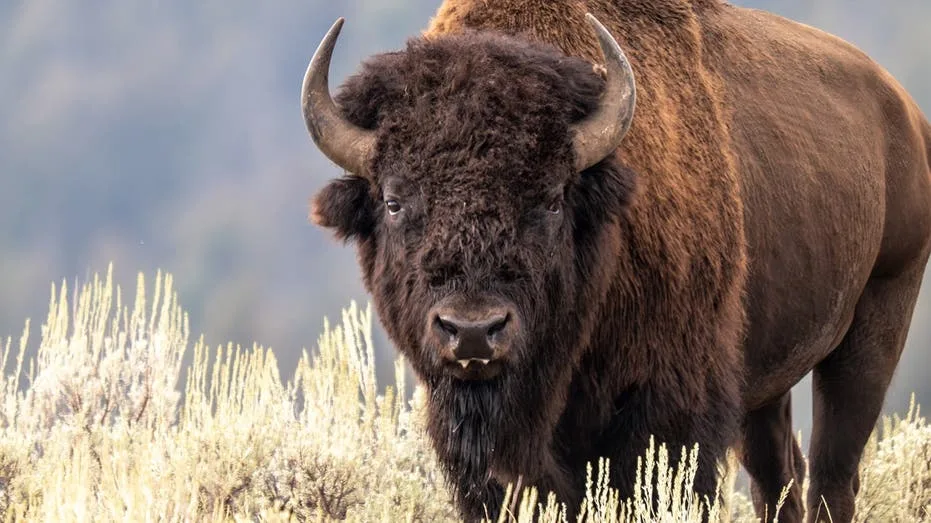
Yellowstone's Wild Bison Recovery Hailed as 'Incredible Conservation Story' by National Park Service Director
Yellowstone National Park's bison population has made a remarkable comeback from near extinction to a thriving herd. National Park Service Director Jessica Bowron hails it an "incredible conservation story," now focused
Sep 21
Escape the Crowds: Three Underrated Florida Beaches for a Serene Labor Day Weekend
As Labor Day weekend approaches, Florida's renowned beaches anticipate large crowds. This guide highlights three serene coastal alternatives: Dania Beach, Lido Key, and Villano Beach. These quieter spots provide natural
Sep 4

Ella Langley Delivers Emotional 'Jolene' Cover in Alabama, Honoring Dolly Parton's Legacy
Country singer Ella Langley recently honored the legendary Dolly Parton by performing a heartfelt cover of "Jolene" at her concert in Auburn, Alabama. The touching performance paid homage to Parton's immense musical
Aug 31