Federal Proposal on Flight Attendant Rest Breaks Ignites Industry Debate
A federal proposal to standardize flight attendant meal and rest breaks nationwide draws union opposition despite expert support.
Travel·
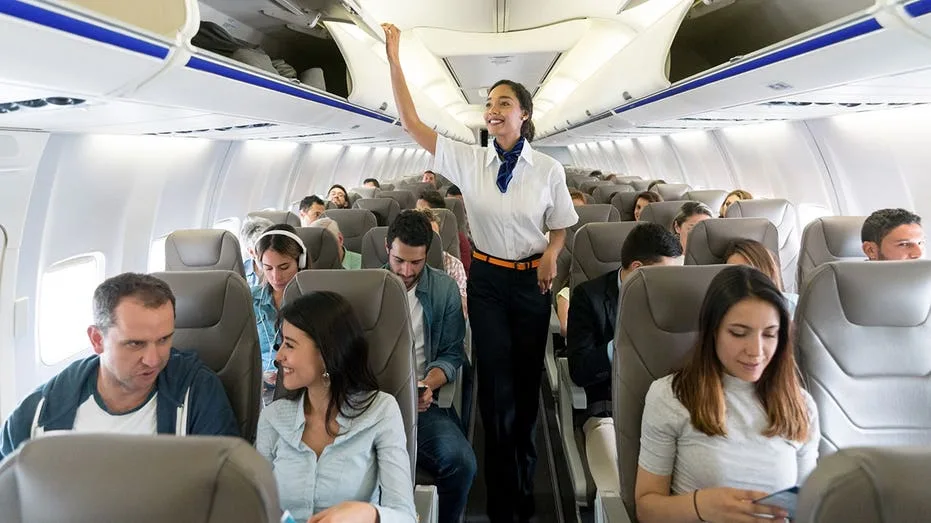
A federal initiative aiming to standardize meal and rest break regulations for flight attendants nationwide is currently facing strong opposition from prominent airline unions, even as certain aviation professionals endorse the proposed changes. The Federal Aviation Administration (FAA) has put forth a rule that would prevent individual states and local jurisdictions from establishing their own distinct meal and rest period mandates for both flight attendants and pilots. Instead, the agency's proposed framework indicates that federal aviation guidelines would be the sole applicable standard.
Proposed Federal Preemption
This regulatory proposal is poised to impact existing state-level safeguards, including specific meal and rest requirements that have historically applied to some flight attendants based in California. Under current California statutes, employees are generally entitled to a 30-minute meal break when their work period exceeds five hours, according to the California Department of Industrial Relations. For such a break to be considered off-duty, employees must typically be relieved of all responsibilities during that time.
The FAA's rationale for this proposal centers on the argument that varied state requirements could disrupt airline operations and potentially conflict with the critical safety duties of flight attendants. The agency emphasizes that flight attendants are integral to managing emergency scenarios, including fires, medical emergencies, aircraft evacuations, and incidents involving disruptive passengers. The FAA suggests that mandating a flight attendant to be completely off-duty during a break could introduce a safety risk.
Union Opposition and Worker Protections
Conversely, the Association of Flight Attendants-CWA (AFA) has voiced strong opposition to the FAA's plan. The union contends that the proposal risks eliminating state-level protections without simultaneously establishing a clear federal guarantee for meal and rest breaks. The AFA highlighted that many flight attendants already experience extended periods of work without adequate opportunities to eat, drink, use facilities, or attend to other fundamental personal needs.
While we understand compliance with state laws is not without its challenges, we are far more concerned about the safety impacts of flight attendants working under onerous working conditions.
The unions further criticized the proposed protections as "extremely vague," asserting they do not offer sufficient assurance that airline policies will adequately address both safety imperatives and the personal needs of flight attendants.
The proposed rule does little to ensure protections for flight attendants without specific contractual protections.
Industry Perspectives
An aviation industry veteran, who is not directly involved with the development of this specific rule but offered insights based on extensive experience, commented on the nature of flight attendant duties. He stated, "They're on duty. You can't break like that in the middle of the sky." He further elaborated, "They have to be on duty because they're a safety function, just like pilots are, just like firefighters are." This expert believes that flight attendants would likely not experience significant alterations to their daily routines if the proposal is ultimately adopted. "Nothing will change," he remarked, clarifying, "All they're saying is that state rules do not supersede FAA rules." He also raised concerns that state-mandated break requirements could necessitate airlines employing additional flight attendants to ensure coverage, thereby increasing operational costs.
The FAA's proposal clarifies that it does not prohibit flight attendants from eating, drinking, or using restrooms. Instead, it mandates that airlines must enable personnel to meet these needs while ensuring they remain available for their essential safety responsibilities. Under the current federal framework, arrangements for meals and breaks can be managed through individual airline policies and collective bargaining agreements, as detailed in FAA documents. Federal regulations also stipulate that flight attendants must receive a continuous 10-hour rest period between duty assignments.
The proposed rule is still under consideration and has not yet received final approval or taken effect.
Related Stories

US Officials Issue Urgent Travel Alert for Djerba, Tunisia, Citing Heightened Threats
U.S. officials have issued a travel warning for Djerba, Tunisia, advising Americans to avoid the island around October 7, 2026. The alert cites heightened security concerns and the anniversary of the 2023 attacks in
Oct 6

Norway Considers Temporary Ban on Smart Glasses in Public Spaces Amid Privacy Concerns
Norway's Ministry of Digitalization and Public Governance is proposing a temporary ban on AI-enabled smart glasses in public places like beaches, museums, and shopping centers due to privacy concerns about recording
Oct 6
New TSA Policy Requires ID Verification Officers to Stand, Sparks Union Concern
The Transportation Security Administration has mandated that officers checking IDs at airport security checkpoints must now stand. The agency claims the policy improves security and passenger experience, but the
Oct 3
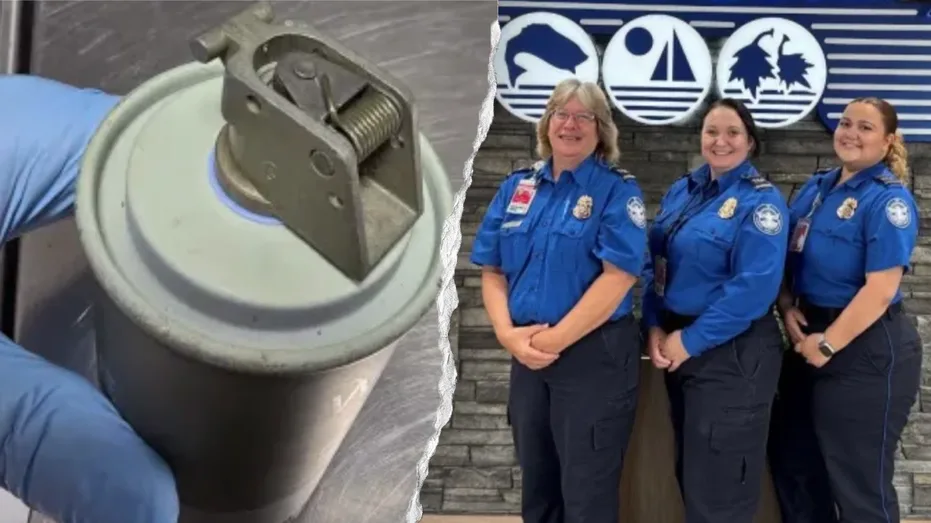
Spent Smoke Grenade Discovered in Carry-On at Upstate New York Airport Security Checkpoint
Transportation Security Administration officers at Watertown International Airport recently discovered a spent M18 smoke grenade concealed inside an aerosol can during a routine security screening. The unusual find
Oct 3