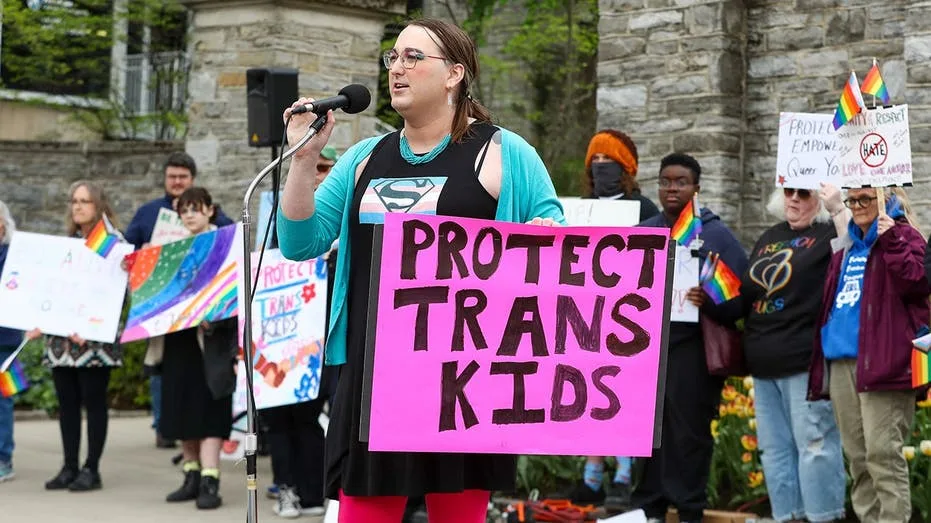
The intensifying national discussion surrounding curriculum and pedagogical approaches in public schools continues to fuel broader cultural debates across the United States. A new comprehensive report has emerged, providing a detailed assessment of every state regarding some of the most contested issues currently influencing educational environments.
Released by Defending Education, the inaugural "Rankings on Integrity in State Education" evaluates all 50 states and Washington, D.C., across critical areas such as parental involvement, diversity, equity, and inclusion (DEI) initiatives, policies on gender and sexuality, regulations concerning teachers and unions, and the extent of foreign influence. The analysis revealed that states commonly referred to as "red states" prominently featured at the top of the rankings.
Tennessee secured the leading position, followed by Alabama, Florida, North Carolina, and Iowa. Conversely, Washington, D.C., was placed at the bottom, with Rhode Island, California, Oregon, and Illinois ranking just above it. It is important to note that these rankings do not incorporate metrics like student test scores or graduation rates. Instead, the report aims to illuminate how states are navigating highly sensitive topics as parents increasingly seek transparency in their children's educational experiences.
Key Areas of State Education Policy Examined
Parental Rights and Curriculum Control
In the category focusing on parental rights, four states achieved a perfect score: North Carolina, South Carolina, Tennessee, and West Virginia. These states were recognized for implementing policies that grant parents increased authority over decisions regarding student gender transitions, the content of sex education instruction, and whether their children participate in such lessons.
Teacher Policies and Union Regulations
Regarding teacher policies, Georgia, Mississippi, North Carolina, and South Carolina — all states with predominantly Republican political landscapes — received top marks. The report highlighted laws governing teacher unions, regulations on strikes and collective bargaining, and requirements for work authorization as significant factors contributing to their high scores in this area.
Diversity, Equity, and Inclusion Initiatives
The report's assessment of diversity, equity, and inclusion (DEI) initiatives saw Iowa, Missouri, and West Virginia achieve the highest scores. These states were lauded for their legislative actions aimed at restricting DEI programs and other related policies, including those pertaining to restorative justice practices, teacher diversity mandates, and responses to antisemitism.
Gender Identity and Athletic Participation
A significant point of contention in contemporary education debates revolves around gender identity and the participation of transgender athletes in women's sports. The report meticulously reviewed state policies designed to block LGBTQ-specific curriculum, restrict transgender individuals' athletic participation, and evaluate state nondiscrimination and anti-bullying laws related to gender identity. In this segment, Alabama, Florida, and Indiana were recognized with the highest scores.
Addressing Foreign Influence in Education
Beyond classroom-specific policies, the report also delved into the broader issue of foreign influence within education systems. Seven states — Alabama, Florida, Indiana, North Carolina, Ohio, Tennessee, and Texas — all received perfect scores for their legislation aimed at limiting the influence of the Chinese government in educational institutions. This included measures targeting Confucius Institutes and other language and cultural education centers backed by China.
A spokesperson for Defending Education commented on the findings, stating that states ranking highly in their assessment "prioritize sound academics over shameless antics."
The representative also attributed the lower rankings of some states to their elected officials, asserting that they have "sacrificed educational excellence at the altar of social justice."
For parents residing in states with lower scores, who value "rigor over ridiculousness," the choice presented is stark: "either fight or flight," the spokesperson added.
Despite a trend of more states embracing DEI and social justice policies, the report emphasizes its objective: to provide parents with a clearer understanding of their state's stance on education policies and the potential ramifications these policies could have on their children and future generations.