White House Report Uncovers Multi-Billion Dollar Tariff Evasion Scheme, Citing China as Primary Example
A new federal report details how foreign exporters are rerouting goods through third countries to circumvent U.S. tariffs, potentially costing the Treasury billions annually.
Politics·
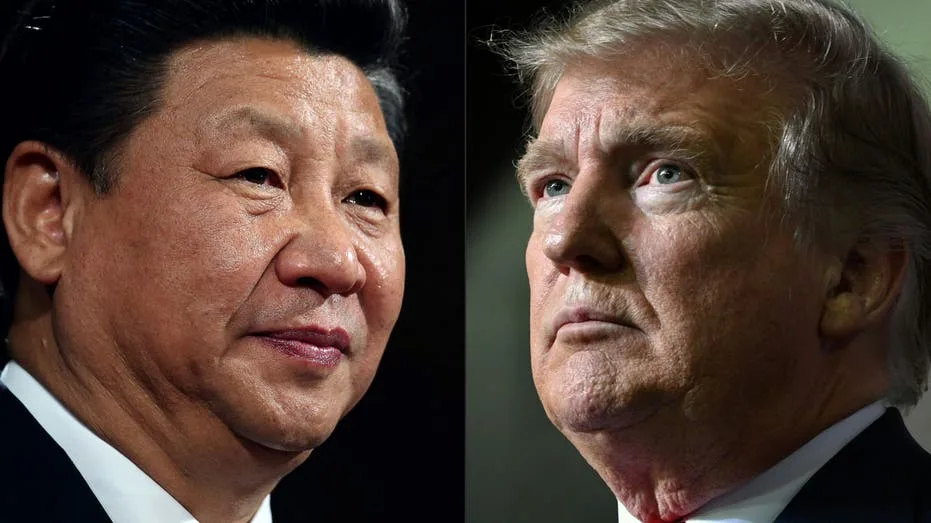
Concerns are escalating regarding foreign exporters' tactics to bypass U.S. tariffs by routing their products through intermediary nations, as highlighted in a new White House report released on Thursday.
Among more than 40 countries identified as posing a significant risk for transshipment are China, Panama, Mexico, and Colombia. Other nations cited in the report include Brazil, Argentina, Chile, Peru, Costa Rica, and the Dominican Republic.
Transshipment involves sending goods through a third country before they officially enter the United States. During this process, the country of origin may be altered, potentially allowing the goods to qualify for reduced tariffs upon arrival.
The 25-page document, titled "The Great Transshipment Scam," was compiled by the White House Office of Trade and Manufacturing Policy, which is overseen by trade adviser Peter Navarro.
China's Role in Tariff Evasion
The report designates China as the most prominent historical instance of transshipment practices. Following the implementation of Section 301 tariffs on Chinese imports in 2018, the direct U.S. trade deficit with China saw a reduction in both 2019 and 2020.
According to the report, after these tariffs were imposed, Chinese exporters increasingly diverted their goods through other countries. Products that previously traveled directly from China to the United States were instead shipped via jurisdictions where minor modifications—such as limited assembly, finishing, repackaging, relabeling, or changes to documentation—could create the false impression of a different national origin.
The report further explains that these methods have, over time, fostered a sophisticated global network comprising production hubs, logistics platforms, free-trade zones, bonded warehouses, processing corridors, and re-export centers specifically designed to facilitate transshipment.
Financial Impact and Enforcement Efforts
Estimates within the report indicate that tariff-avoiding transshipment costs the U.S. Treasury between $19 billion and $26 billion in lost revenue each year. Broader government and private-sector assessments cited in the report place the total value of goods transshipped to circumvent tariffs at approximately $34.2 billion to $303 billion annually.
The administration has actively worked to enhance the enforcement of transshipment regulations. Navarro commented on the issue, stating that for many years, the widespread transshipment scheme has enabled goods from China to be effectively
Related Stories
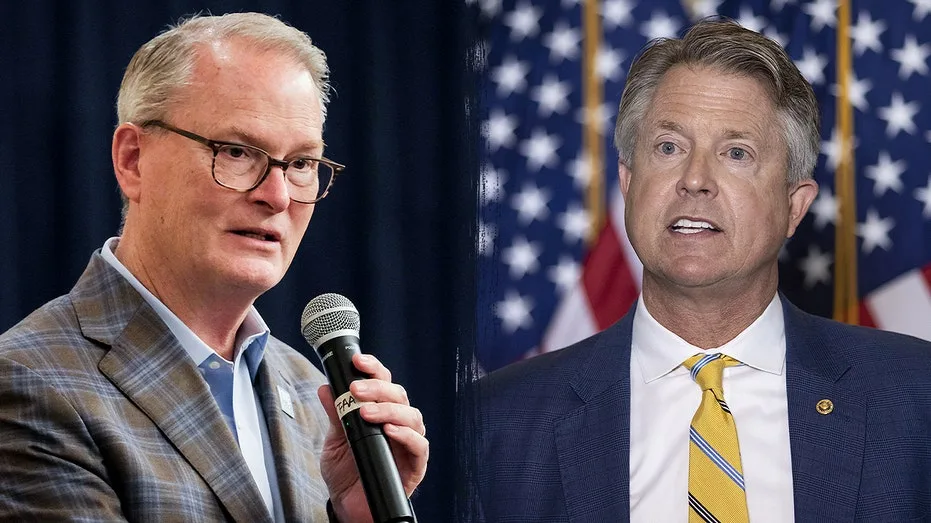
Kansas Senate Candidates Clash on Immigration, AI, and Social Issues in Heated Debate
Kansas Senator Roger Marshall and Democratic challenger Adam Hamilton debated critical issues from immigration and AI to gender identity and political allegiances. The contentious hour-long exchange occurred less than
Oct 23
Supreme Court Allows New Hampshire to Reject Student IDs for Voter Verification Ahead of Midterms
The U.S. Supreme Court has permitted New Hampshire election officials to disallow student identification for voting in the upcoming midterm elections. This decision reverses a lower court's ruling, citing concerns about
Oct 23

Attorney General Blanche Does Not Rule Out DOJ Intervention in "Doomsday" Election Scenarios
Attorney General Todd Blanche suggested the Department of Justice could intervene in state election certification processes during "doomsday scenarios," while affirming no intent to improperly interfere. His comments
Oct 23

New Jersey Mayor Confronts Resident During Heated Public Meeting, Had to Be Restrained
Pemberton Township Mayor Matthew Bianchini confronted resident Michael Sawka during a recent council meeting. Video shows Bianchini being restrained while shouting at Sawka. The mayor admitted losing his temper, while
Oct 23